

Fleet Management Guide
Proper fleet management is crucial for commercial fleet operators. It impacts a business’s profitability, staff, and customer base.


Proper fleet management is crucial for commercial fleet operators. It impacts a business’s profitability, staff, and customer base.


Simon Pavey
Website Marketing Manager
In this guide, we’ll cover the key aspects of fleet management to help operators stay on top of the best practices used in the industry. We’ll specifically touch on subjects including:
Fleet management involves coordinating and organising a business’s vehicle portfolio and drivers. This includes company-owned cars or vans and grey fleet vehicles owned by employees and used for work purposes.
A fleet management model should look different from company to company and can depend on the number of vehicles managed and the infrastructure and systems in place. However, some universal truths about effective fleet management apply to all businesses at any stage during their life cycle.
Some of these key components include:
A good fleet manager should maintain a legal and safe operation, engage and motivate the workforce, and make cost savings wherever possible.
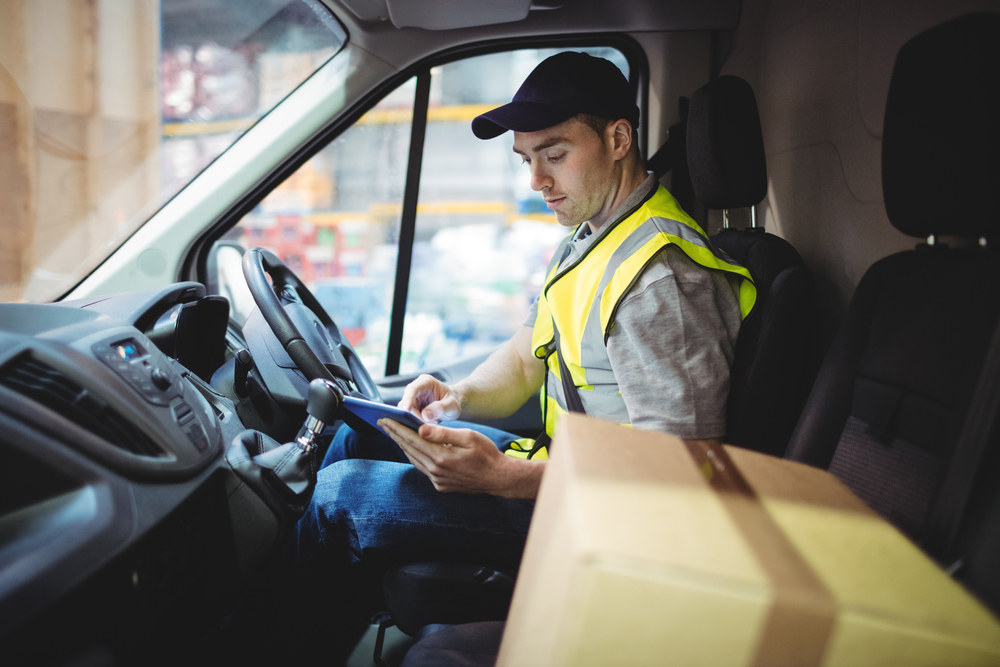
The fleet manager oversees the broader strategic movements and the day-to-day operations of a business’s cars, vans, or trucks.
Fleet managers have a wide range of responsibilities, so their skill sets need to be versatile. They must be able to dabble in everything from accountancy to strong communications and multitasking.
Some of the key responsibilities of a fleet manager include:
A primary task of the fleet manager is ensuring that operating costs are kept as low as possible.
This can include getting a good deal on initial purchases or rentals and keeping ongoing costs down, which could be achieved through improving fuel efficiency or managing the use of services like fuel cards.
Read our guide to running car costs here to see how you can save money while maintaining your fleet.
enanceKeeping your fleet on the road is vital to any business's success. This means ensuring that cars and vans are regularly serviced and checked for faults.
The latest technology can alert you to any potential issues before they become a problem, allowing you to plan your schedule and reduce the risk of a breakdown.
Find out how Vehicle Maintenance can help you maintain your vehicle.
A good fleet manager should ensure your fleet is mechanically sound and monitor driver behaviour.
Tools like telematics systems can keep a complete log of their actions and show you if your fleet drivers were speeding, for instance, or if any harsh inputs were made on the steering or brakes.
This information can enable you to provide training or advice where necessary.

You must know where your vehicles are at all times.
GPS tracking tools give you a complete picture of your current situation and let you make changes.
For instance, it can show if drivers take inefficient routes between jobs and help better plan your operations.
Moreover, it can quickly alert you to any unauthorised vehicle use or track down a stolen car.
It’s also up to the fleet management team to ensure their vehicles are road-legal and drivers meet their requirements.
However, this doesn’t just include keeping MOTs and insurance valid. You should also track mileage claims for expenses and tax purposes and ensure drivers aren’t breaching working time rules.
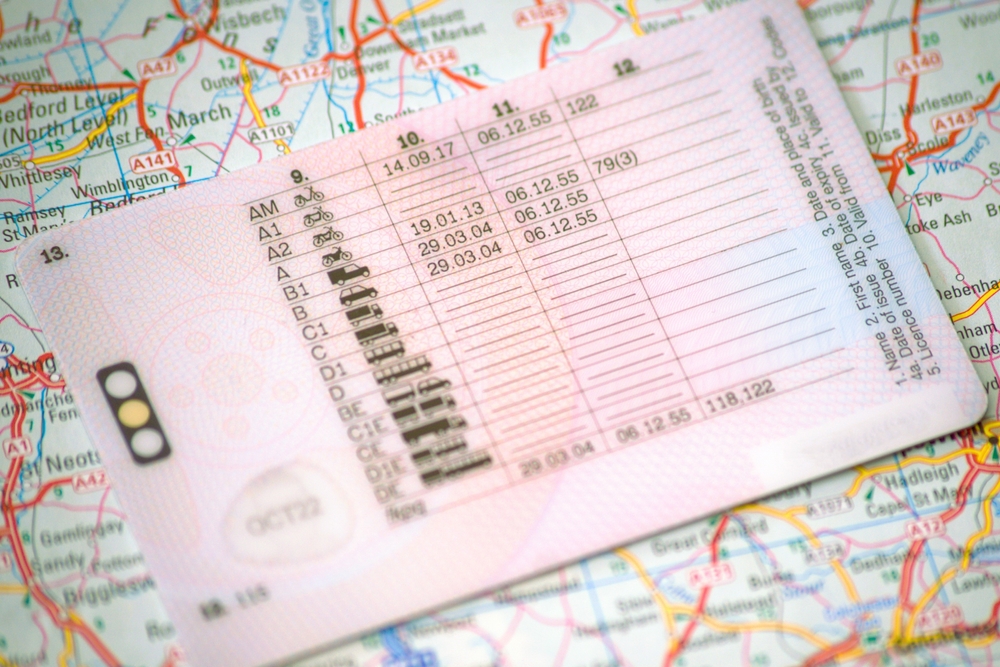
This also covers ensuring your drivers are fully licensed for the vehicles they operate. And you’re recording of any issues, such as penalty points.
Find out more about this topic in our fleet compliance explained guide.
The most efficient and profitable fleets will likely have the best managers. These managers can provide easy-to-follow structures and processes while ensuring clear communication with drivers.
Our tips on the key areas in which most fleets could look to upgrade include:
The first thing any fleet manager needs to work effectively is complete visibility of their cars, vans, and drivers.
This means having access to real-time data that can show them, at a glance, the location of each vehicle and employee, their current status, and whether they are experiencing any issues.
Implementing an effective telematics system is the most effective way of achieving this.
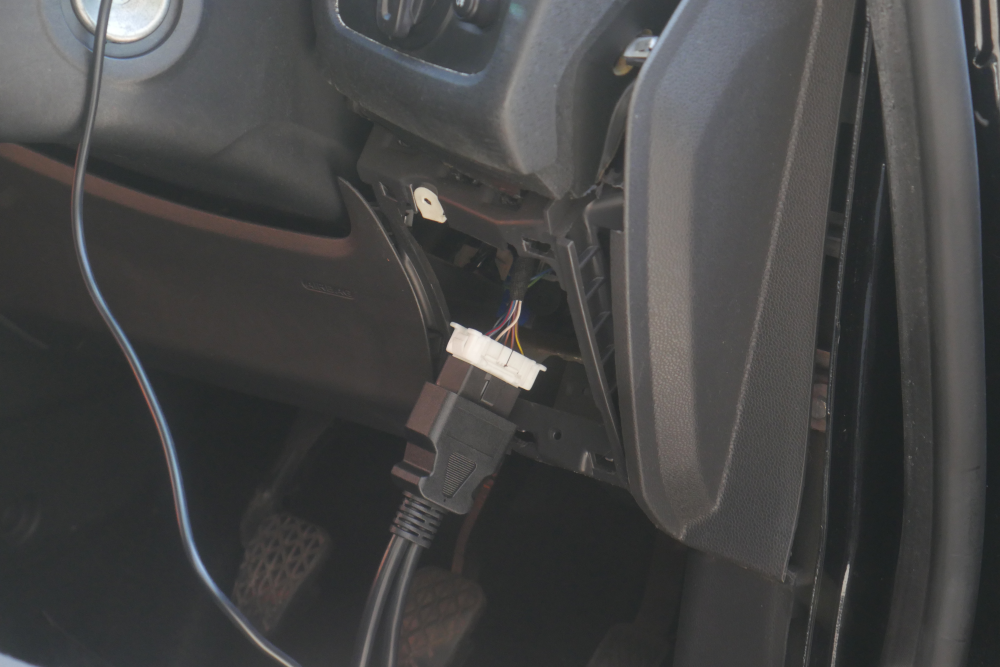
This telematics system connects to a vehicle’s computer. It uses various sensors to feed data to a central computer, detailing everything from a vehicle’s location and speed to driver inputs.
Real-time data is also a pre-requisite to many of the solutions we’re about to cover, so if you don’t have it, you could be working with one hand tied behind your back.
A key part of any real-time information solution will be instant GPS details of your fleet’s locations. This can be vital if you need to dispatch an employee to a particular destination, as you can see at a glance who is available and best-positioned to respond.
However, it can also help record mileage and hours spent on the road, divert drivers away from areas of congestion, and even provide customers with real-time updates on when they can expect their employees to arrive.
GPS tools can also be combined with other tech solutions to improve your firm’s route planning. This isn’t just about finding the shortest way from A to B. It should also consider factors such as expected fuel consumption along the route and the distance to the cheapest filling stations.
For example, if a vehicle spends a lot of time stuck in traffic with the engine idling, it will consume more fuel and incur higher costs. However, with good route planning tools, this can be avoided.
It is also essential to monitor your employees' driving.
First and foremost, this improves safety. If fleet telematics data shows frequent speeding or sensors detect harsh control inputs, you can step in to address this. You can even generate league tables that show your best and worst-performing drivers, highlighting who you need to speak to most urgently.

This can also help reduce fuel consumption. By monitoring inputs such as acceleration and braking, you can educate employees to drive more smoothly and safely.
Indeed, almost half of businesses (49 percent) using telematics have seen a reduction in speeding incidents and fines, while 55 percent experienced a drop in fuel usage.
Check out Motia’s telematic tracking services here.
While better route planning and driver monitoring can help improve fuel consumption, you should also ensure you’re not paying over the odds at the pump. To do this, it pays to have a suitable fuel card for your usage.
There are many products, so getting the right one is essential. It may be the case that the cheapest option isn’t very convenient for your firm. You must also consider whether you’d benefit from cards with wider motorway networks, for example, and which brands have locations nearest your most common routes.
View our range of fuel cards you can get for your business.
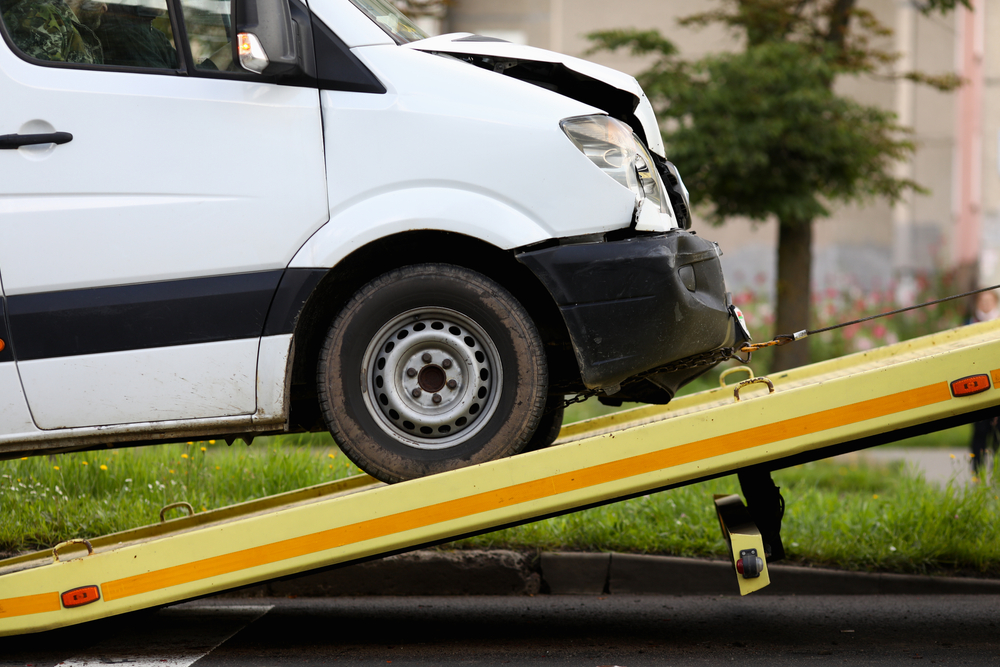
Breakdowns can be a significant headache for fleet managers. Beyond the direct costs of fixing vehicle problems, having vehicles off the road unexpectedly also hurts the firm’s productivity.
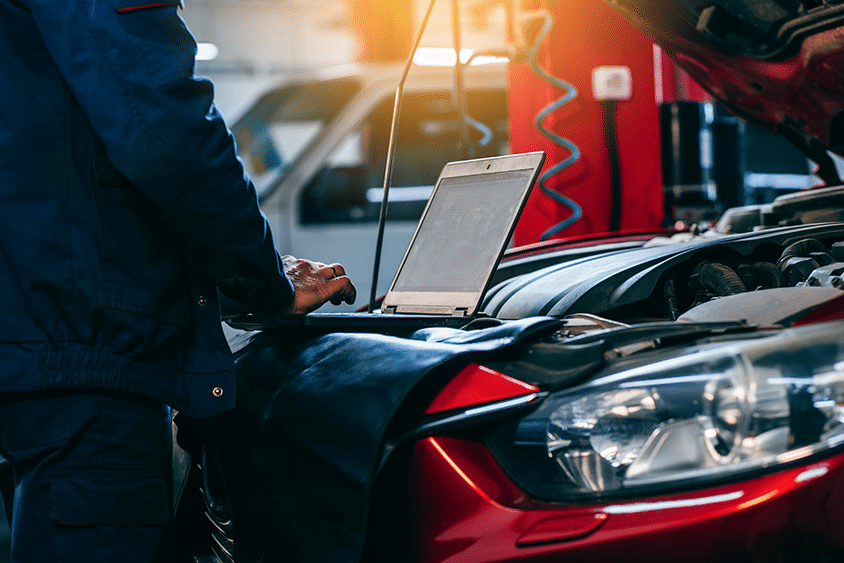
You can avoid this by using the data taken from telematics systems to schedule maintenance predictively. These tools can highlight potential issues and allow you to step in before they become serious problems.
Admin work is often among the most time-consuming parts of a fleet manager’s job. Calculating details such as mileage claims, expenses, fuel MPG, and others is essential but tedious. But this doesn’t have to be the case with the right fleet management systems.

Calculating these figures automatically based on data recorded by the telematics system doesn’t just free up your time. It also ensures the data is accurate and can highlight unusual events—such as vehicles doing significantly more miles than expected—for investigation.
Spotting and cracking down on unauthorised vehicle usage is also essential.
For example, you can set up alerts that let you know if a vehicle is used outside regular office hours. You can also establish geofencing to warn you if a car from your portfolio travels beyond a particular area.
This is useful for identifying employees using company assets for personal use and quickly tracking down stolen vehicles, using GPS tracking to guide police precisely.
Fuel fraud risk is another primary concern for fleet managers, such as employees filling personal vehicles using a company fuel card or making claims for miles they haven’t driven.
Telematics can help spot issues with expenses, while a good fuel card can also help by ensuring vehicle locations match fuel card usage, for example.
A good fleet management system can also help you track your vehicle inventory. This allows you to better plan for replacements, receive alerts when services or MOTs are due, and prepare your finances.
You can also see details such as the types of fuel used at a glance, which will be essential to know when selecting a fuel card and can factor into future buying decisions.
For instance, if most of your fleet is petrol-powered, consider phasing out any remaining diesels to simplify your operations.
Your vehicle portfolio must be properly equipped to meet your business's needs. Many factors could be considered when deciding whether to bring new vehicles on board or upgrade existing cars and vans. A good starting point is to analyse the fuel they’re using and gain visibility over all car running costs.
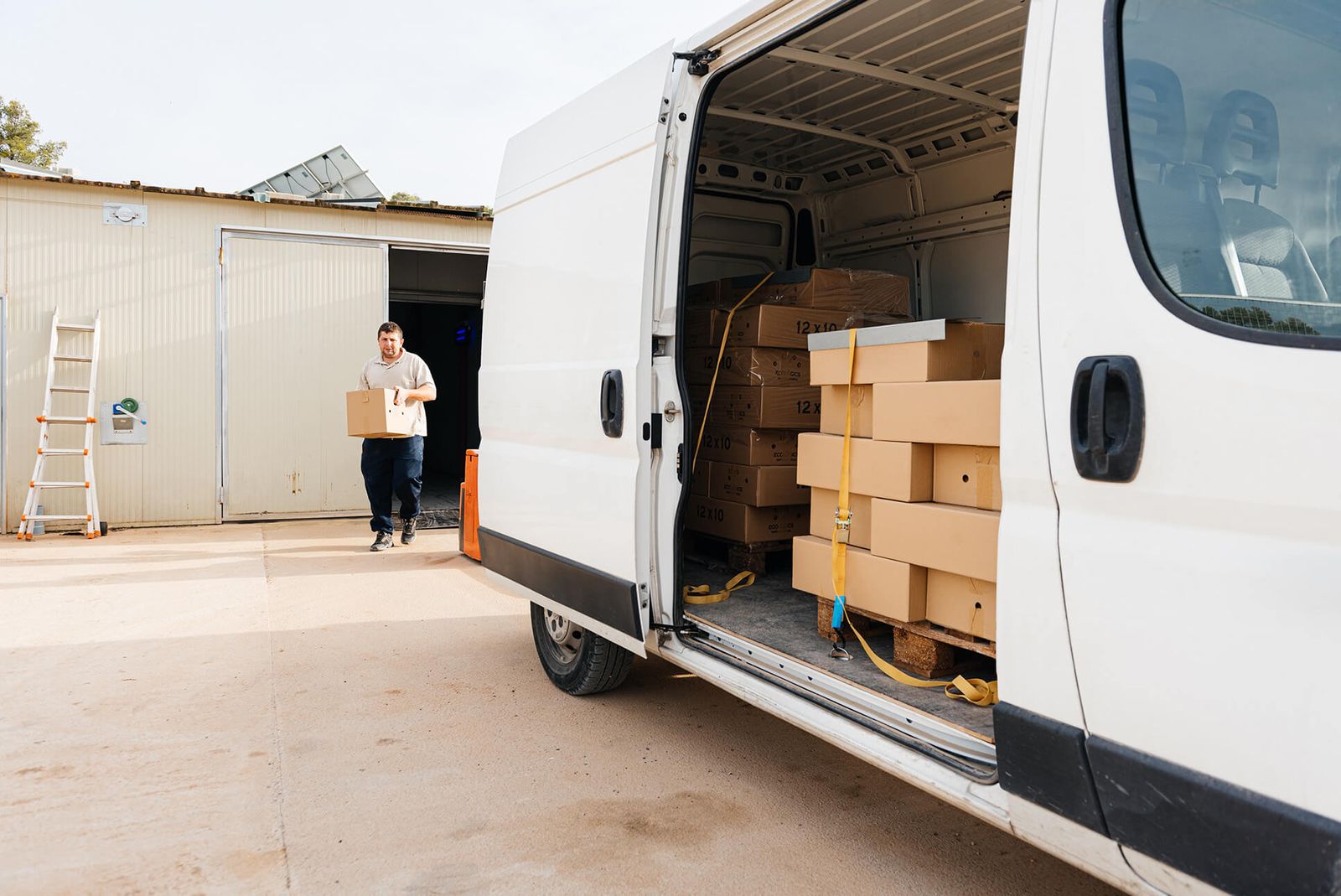
From there, you can factor in market movements, such as the growth of electric vehicles, when deciding how to upgrade over the coming months and years.
Fleet operators can achieve many efficiencies by seeking the latest and greatest technology in the market to track and calculate how to improve performance.
To recap some of the key pieces of commercial fleet technology we’ve mentioned in this article, the essential software includes:
We have covered what fleet management is,what a fleet manager role is, and helpful software solutions, but what is the impact of upgrading your fleet management processes today?
Some real-world benefits you could see within your fleet include:
If you want to know more about how Motia could help you and the benefits you can get, contact our fleet management experts today for further information.


Providing Fleet Solutions to optimise operations, cut costs, and keep your business moving.


.jpg)



.png)


.png)





.jpg)

.png)
.png)





.png)
.png)


.png)

.png)
.png)

.png)

