

Reece Hampton
Enterprise Manager
Telematics and fleet management come with a lot of industry jargon. To make things simpler, we’ve pulled together a quick glossary explaining some of the most common acronyms you might come across when managing vehicles, fuel and compliance.
Whether you’re new to telematics or just need a refresher, this guide is here to help.
A communication system used within vehicles to allow electronic components (such as the engine, brakes and dashboard) to share information.
Accessing CANbus data enables deeper insights into vehicle performance, fuel consumption and fault diagnostics without installing additional sensors.
A greenhouse gas released when fuel is burned. In fleet management, CO₂ is commonly used as a measure of environmental impact.
Tracking CO₂ emissions helps businesses meet sustainability goals, report on environmental performance and plan the transition to cleaner vehicles.
Refers to systems that capture and analyse driver‑related data such as driving behaviour, hours worked and safety events.
Understanding driver data helps improve safety, reduce risk, support complianceand encourage more efficient driving habits.
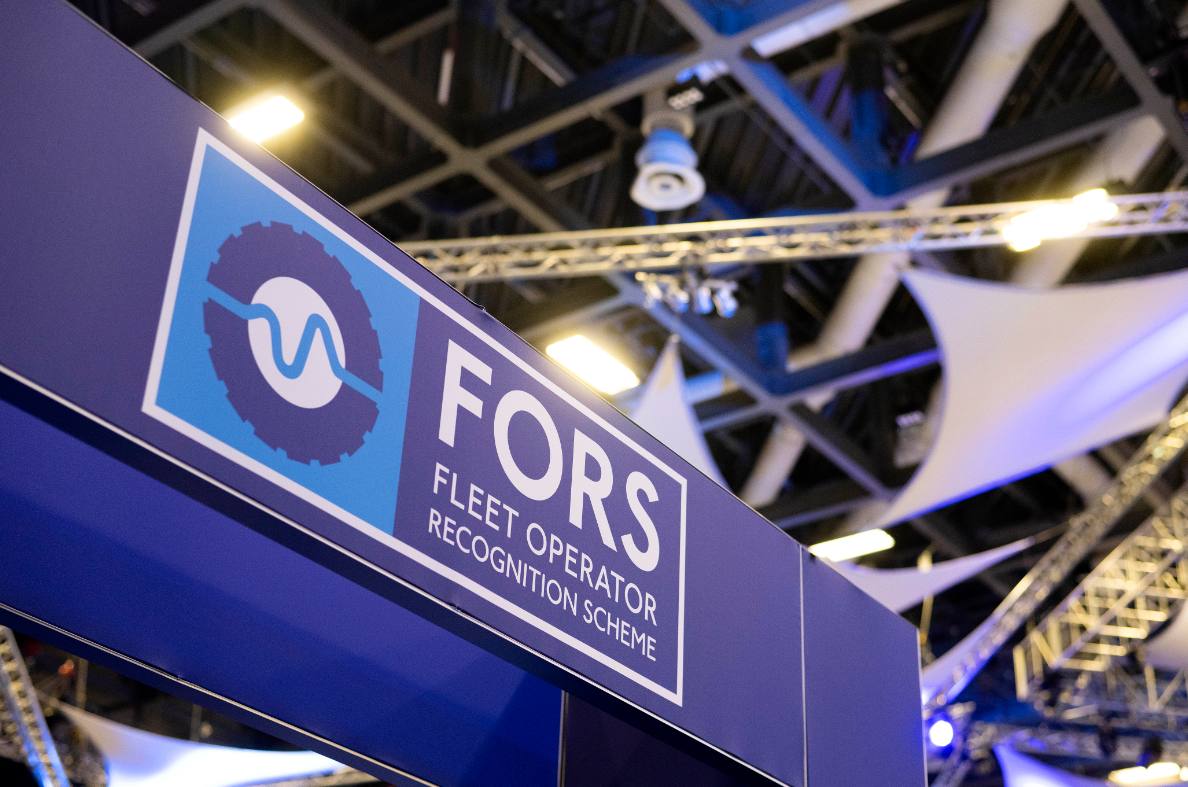
A UK accreditation scheme that promotes best practice in fleet safety, efficiency and environmental responsibility.
Achieving FORS accreditation can improve safety standards, support compliance, enhance reputation and unlock new business opportunities.
A satellite‑based navigation system used to determine the real‑time location of vehicles and assets.
GPS tracking provides visibility across your fleet, supporting route optimisation, theft prevention, driver safety and customer service improvements.
A standard measure of fuel efficiency that shows how many miles a vehicle can travel on one gallon of fuel.
Monitoring MPG across your fleet helps identify inefficient vehicles, driving behaviour issues and opportunities to reduce fuel spend.
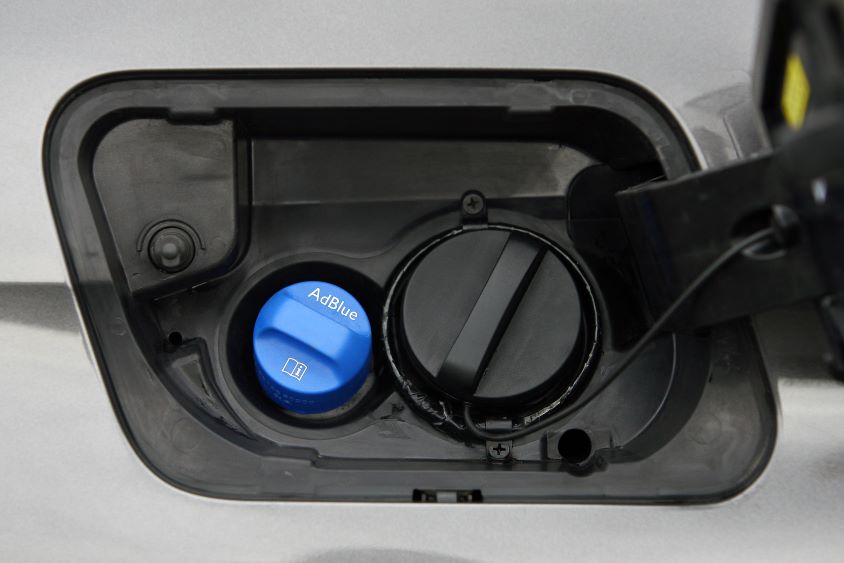
Refers to harmful gases produced by fuel combustion in vehicle engines, particularly diesel vehicles.
NOx emissions are closely monitored due to environmental and health impacts. Reducing NOx output supports compliance with emissions regulations and improves air quality.
Refers to a vehicle’s built‑in diagnostic system, which monitors engine performance and key vehicle components. Telematics devices often plug into a vehicle’s OBD port to access data such as speed, mileage, fuel usage and fault codes.
OBD data helps identify vehicle issues early, improve maintenance planning and reduce unexpected downtime.
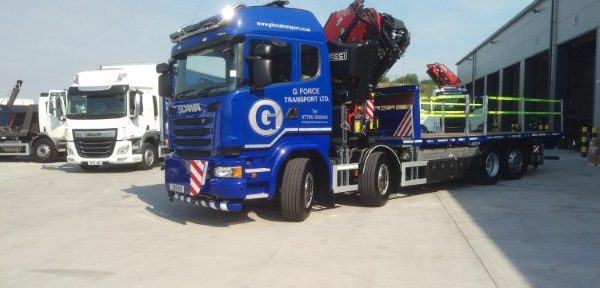
A mechanical system that transfers power from a vehicle’s engine to auxiliary equipment, such as cranes, refuse compactors or refrigerated units.
Tracking PTO usage helps fleet managers understand engine run time, fuel consumption and operational efficiency—especially for specialist or commercial vehicles.
At Motia, we believe telematics should be easy to understand and even easier to use. Our solutions turn complex vehicle data into clear, actionable insights—helping you save time, reduce costs and stay in control of your fleet.
Find out how Motia can help simplify your fleet management today.


Providing Fleet Solutions to optimise operations, cut costs, and keep your business moving.








.jpg)



















































.jpg)