Creating A Business Case For Introducing Fleet Telematics
Whilst we know that telematics can offer fleets many benefits, it is worthwhile for fleet managers to craft a business case that outlines the potential return on investment.


Whilst we know that telematics can offer fleets many benefits, it is worthwhile for fleet managers to craft a business case that outlines the potential return on investment.


Simon Pavey
Website Marketing Manager
In some scenarios, the prospect of saving on fuel won’t be enough to sway a business to incorporate telematics into its fleet. However, a strong business case detailing the other advantages of telematics could be the way to persuade a boardroom.
Your business case should tell a story that resonates. Here's how to shape your narrative:
Begin by highlighting the challenges your fleet is facing. Are accident rates on the rise? Are you struggling with escalating fuel costs or overwhelmed with compliance paperwork? Addressing these issues lays the foundation for telematics as the solution.
Some workplaces reject telematics because of the upfront cost. However, it is important to consider the long-term benefits. When used efficiently, businesses have the potential to achieve a 100% return on investment in their first few months of using telematics.
Even if business owners are made aware of the potential fuel savings and increased productivity, they are still cautious about using telematics.
They may be worried that drivers would view its installation as a breach of their privacy. Maintaining a good relationship with drivers is a key part of fleet management, so this concern is shared by many.
When used correctly, however, telematics do not threaten the drivers’ privacy. The technology helps to improve fleet communication, saving time and boosting efficiency.
When building a business case for telematics, expect any resistance to come in the form of the above concerns. Knowing the full benefits of telematics can help remove any doubts your business may have.
Present telematics as the answer to your challenges. For example, if compliance is a significant issue, emphasise how telematics streamlines record-keeping tasks, such as tracking driver hours, thus saving considerable time on administrative work.
Did you know that telematics benefits your fleet insurance? See the benefits of telematics for insurance today.
Illustrate how telematics can positively impact your business using the statistics we've shared. However, don’t just throw out numbers—make them relevant to your fleet. For example, with 100 vehicles, how would a 42% decrease in speeding incidents affect your operation? What could a 3% improvement in miles per gallon (MPG) translate to in savings?
Read our article to see if telematics are right for your fleet.
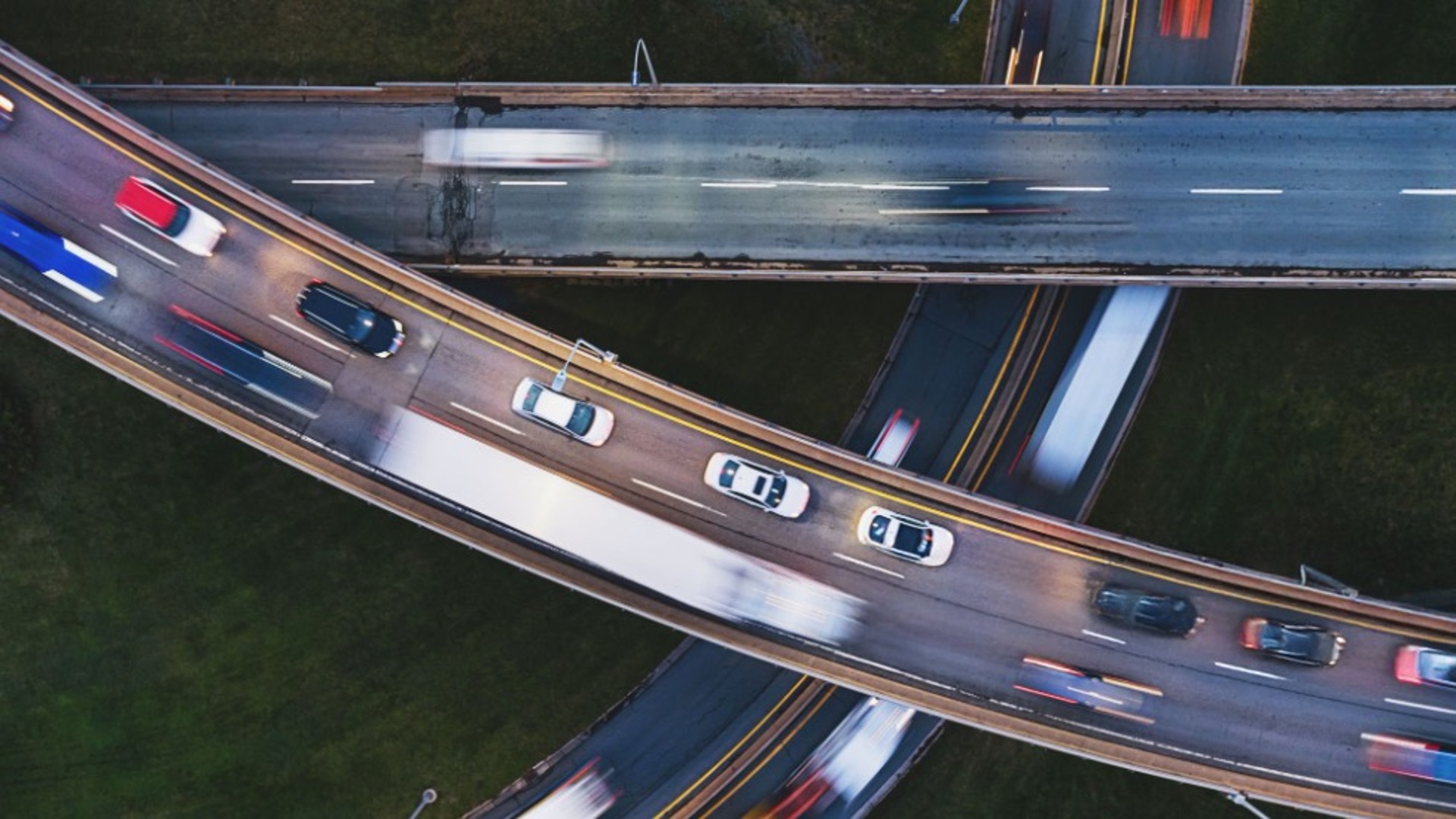
The benefit that is likely to appeal to many businesses is the ability to reduce fuel costs. The 2016 RAC Telematics Report states that users were reducing their fuel use by up to 55%. Drivers reduce their overall miles by following the most efficient routing provided by the telematics.
Fleet managers can see when their vehicles are frequently idling and make adjustments so this is avoided in future.
If drivers consistently waste fuel by speeding and aggressively breaking, the fleet manager will be notified and can take action accordingly.
Telematics can warn fleet managers when their vehicles have mechanical issues. Fixing these issues early on reduces the risk of breakdowns in the future.
This reduces not only the maintenance cost but unexpected downtime as well. The less time your vehicles spend being repaired, the more time they can spend on the road.
With the extensive data received through telematics, fleet managers can reduce time spent on admin. Accurate mileage reports mean filing taxes and expense reports is painless. With more time to spend on other aspects of fleet management, the business is saving money.
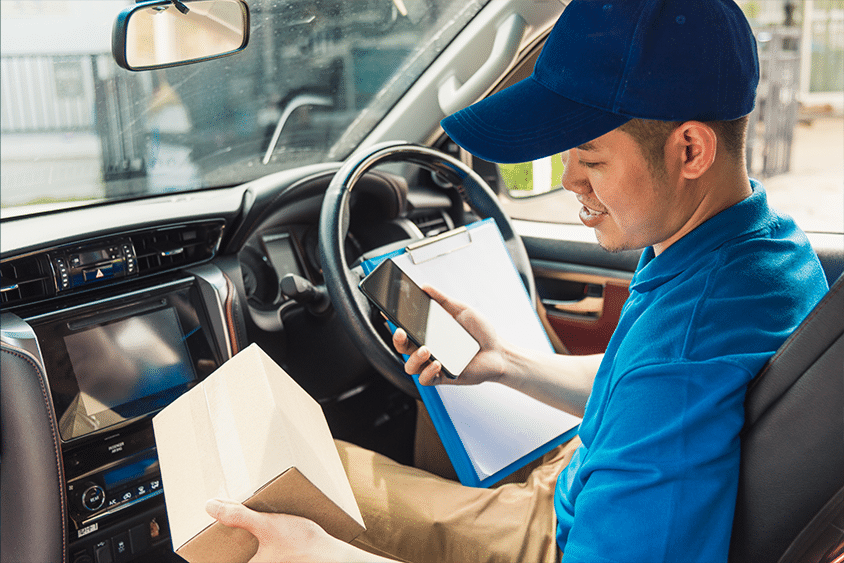
Your business case should acknowledge the customer service benefits of telematics. Customers can stay informed about the location of their deliveries and be given an estimated time of arrival.
Seeing the business run smoothly and meeting deadlines will likely improve customers’ impression of your services, making them more likely to return.
A benefit of tracking a driver’s location is that, in case of an accident, emergency services can be sent directly to them.
Feedback about a driver’s dangerous habits can also help them to improve their driving. This will significantly reduce the risk of accidents in the future. Fleet managers can use the data to train drivers to amend specific, dangerous habits they have developed.
Find out other ways telematics ‘boost safety and efficiency’ for fleets.

Remember that your business must understand how telematics can save them money. Fleet managers need to give a strong business case that clearly outlines how this technology will keep spending down despite the initial costs.
If your business remains unconvinced, remind them their competitors will adopt telematics. Get there first, and you’ll be able to reap the rewards.
Offer a well-structured implementation plan to show that you’ve thought beyond just the purchase:
Find out about Motia’s telematic services to see how your fleet vehicles could benefit.
Contact the Motia Telematics team for more information about what telematics can do for your fleet.
Telematics helps to reduce costs across your fleet, as well as offering improved safety and security.


Providing Fleet Solutions to optimise operations, cut costs, and keep your business moving.