

Marion Hanson
Marketing Executive
Electrification is one of the biggest buzzwords for fleets as we move towards Net Zero 2050. Transport continues to contribute significantly to pollution, accounting for 24% of UK emissions in 2020.
Fleet electrification is an essential step for operators who want to become accountable, reduce their carbon footprint, and maintain a strong reputation for sustainability.
Fleets can look very different from business to business, and electrification can mean different things depending on the specific vehicle architecture within your fleet. In this guide, Motia explains what fleet electrification is and how it can impact different businesses and fleets.
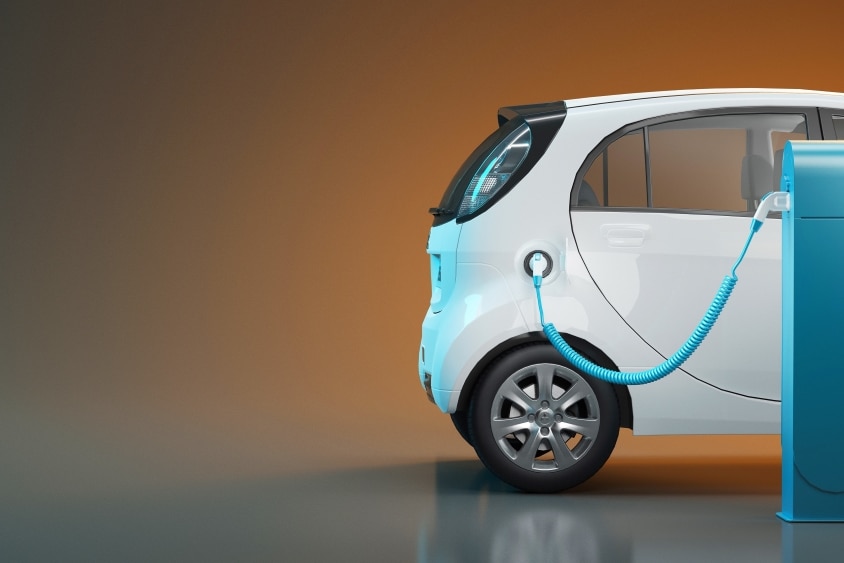
Electrification is about replacing technologies that operate using fossil fuels with those that use electricity. For fleets, this primarily means shifting from combustion-engine vehicles to hybrid and electric vehicles, while supporting the installation of the infrastructure necessary to support them.
Fleets look different from business to business and can include a range of vehicle types, making the process of electrification really varied.
Below, we discuss the different vehicles and how electrification varies, depending on your fleet:
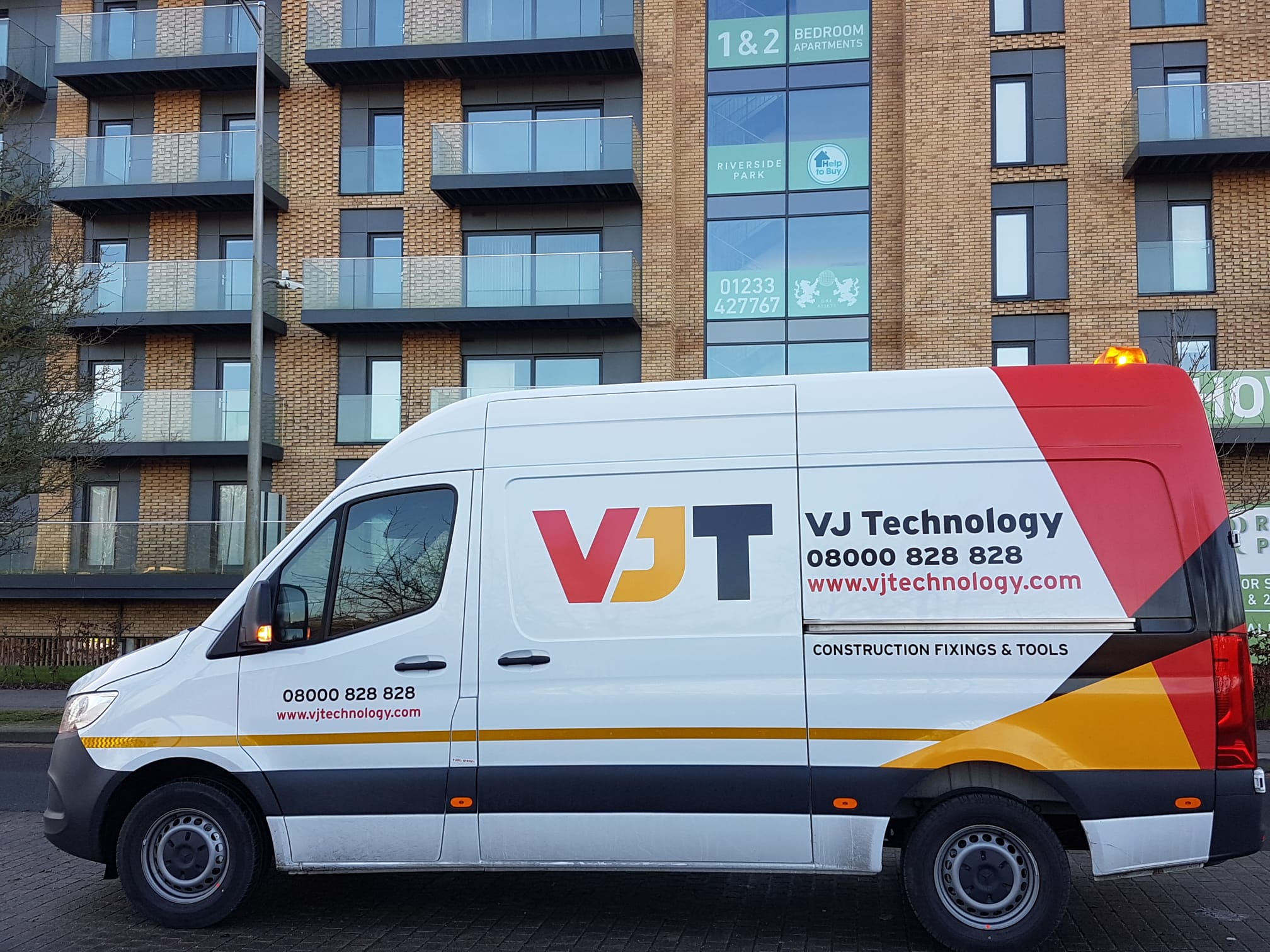
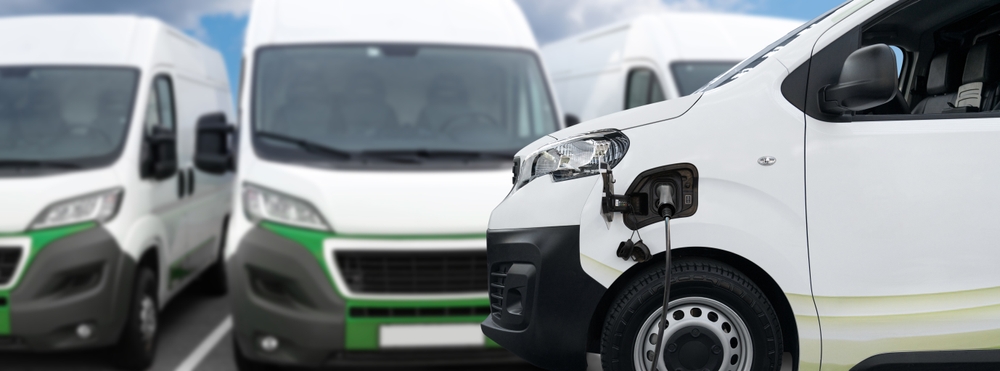
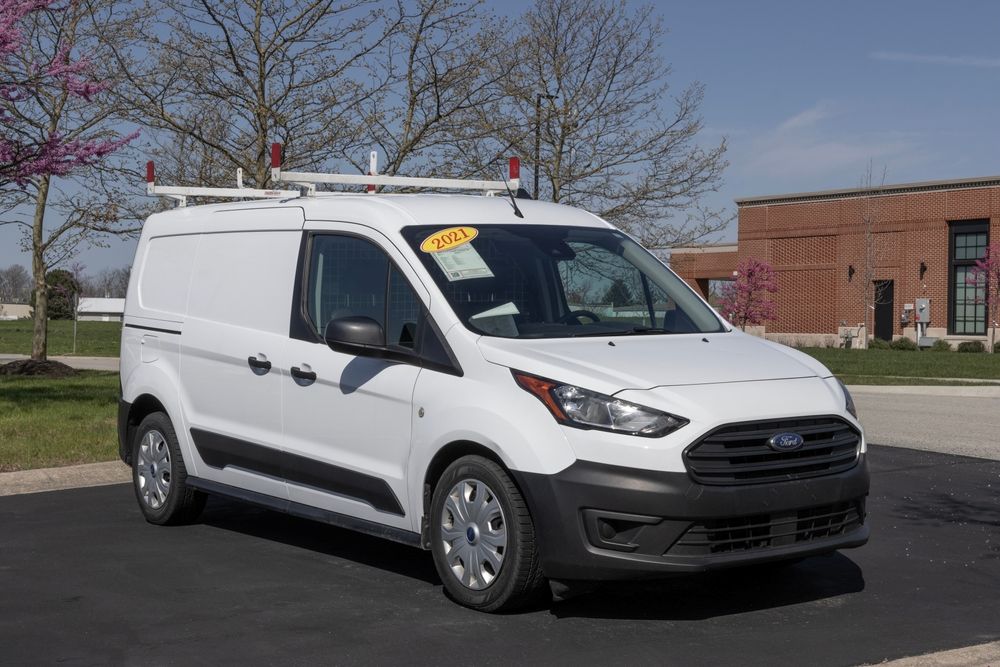
There are over 1.5 million vans registered to UK companies, of which only 0.3% in 2019 were ultra-low-emission vehicles, making this vehicle category a prime subject for electrification.
The variety of electric vans on the market is increasing, as is the support available to help facilitate the purchase of these vehicles.
The Plug-In Vehicle Grant includes a range of low-emission and electric vans offered at discounted prices to help increase the uptake of these more sustainable vehicles by last-mile deliveries, professional services and other businesses with fleet vans. The discount is automatically added to eligible vehicles.
For heavier goods and passenger vehicles, electrification can seem like a significant challenge. With mileage a main concern for those looking to switch to electric vehicles, HGV, bus, and coach drivers might be hesitant to put faith in electric alternatives due to the need for long-distance mileage.
Despite this concern, the technology in electric vehicles is rapidly improving, and we are seeing the mileage capability of larger EVs increase significantly, with fully electric HGVs now capable of up to 110 miles on a single charge.
Read more in our guide to electric HGVs and whether they can compete in today’s market by clicking here.
Cars are essential in the personal and working lives of many, and if you drive a company car or manage a fleet, electrifying your vehicle(s) might be of interest.
Electric cars have seen significant development in the last decade, and the choice for these vehicles is vast, putting those looking to invest in electric fleet cars in a beneficial position.
For taxi businesses interested in expanding their fleets of electric vehicles, the aforementioned Plug-In Vehicle Grant also offers discounts on taxis of up to £7,500. There are also approaches to the acquisition of electric cars you can take to help ease the cost and convenience, including salary sacrifice schemes that encourage uptake among staff.
You can read our deep dive into the real cost of electric cars for UK fleets by clicking here to learn more about what electrifying your company cars will look like financially at every step of the process.

While larger companies might be in a better economic position to make larger short-term investments in electric vehicles and charging infrastructure to support them, SMEs might find the initial costs of electric vehicles and charging points off-putting.
However, there are still options for SMEs.
With an increasing uptake of electric vehicles both at home and by businesses as we move closer toward our collective NetZero goal, there is a range of government support schemes in place to help with the cost of both electric fleet acquisition and charging infrastructure implementation.
Expanding your EV fleet is not just as simple as acquiring the vehicles, and in order to make electric fleet vehicles really work for your business, it could be worth equipping your business’s premises with charge points so as not to rely solely on public charging.
The Office for Zero Emission Vehicles offers the Workplace Charging Scheme to help support businesses with the cost of installing electric vehicle charge points at workplaces.
We’ve mentioned the Plug-In Vehicle grant, which offers a discount on purchases on eligible new electric and hybrid or ‘plug-in’ vehicles. This is a discount applied automatically at the dealership, and can benefit businesses looking to invest in electric vans, motorcycles/mopeds, trucks and taxis. Unfortunately, the scheme no longer includes cars.
When acquiring fleet vehicles, it pays to be set up with the right tools. From installing charging points to covering the costs of recharging on the road, Motia can help. We have a growing range of electric vehicle charging cards to choose from, and are expanding our electric services.
Get in touch today by clicking here if you want to learn more about the electric vehicle services Motia offers.


Providing Fleet Solutions to optimise operations, cut costs, and keep your business moving.












.jpg)


























































.jpg)