Fuel Card Tax: Are Fuel Cards a Benefit in Kind?
It’s important to understand how employee perks or benefits impact your tax liabilities. That said, we realise this can be a complicated subject.


It’s important to understand how employee perks or benefits impact your tax liabilities. That said, we realise this can be a complicated subject.



Simon Pavey
Website Marketing Manager
Fuel cards are a fantastic way to simplify the management of fuel expenses and to save time and money. However, you need to make sure you’re aware of any tax you’ll need to pay.
A Benefit in Kind is any benefit received by an employee that is not included in their salary. This includes everything from cash bonuses to company cars, paid parking spaces to providing external childcare. The government will tax these perks.
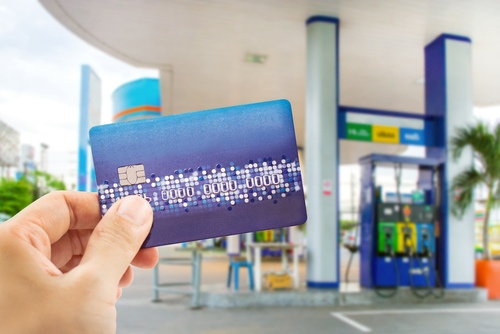
Use of a fuel card for business purposes is not classed as a taxable benefit and you won’t have to pay tax on a fuel card unless it is used to cover the cost of the fuel for personal travel. Under these circumstance the company is liable to tax charges and the business must pay users’ National Insurance contributions on the value of the fuel being used for personal use.
You can read about the benefits of moving away from fully expensed fuel here, where we discuss the benefits of private mileage and how to calculate if this arrangement is beneficial.
As we’ve mentioned, there are some potential tax implications that users of fuel cards need to be aware of. However, with proper planning, any unnecessary costs can be avoided.
The type of travel by cardholders is key. For example, buying fuel for travel to and from work is classed as personal travel, but paying for fuel to carry out a work delivery is not.
Should an employee use their fuel card for private mileage, this creates a tax burden for both the business and the individual. For the business, VAT can only be reclaimed on fuel expenses for business purposes.
As a result, you must pay VAT on fuel if an individual uses their company fuel card for non-business travel. Similarly, those who use a fuel card for private mileage face a variable fuel benefit charge based on several factors, including the type of fuel and CO2 emissions of their vehicle.
Because of this, you must keep clear records on business and private mileage for all fuel card users. HMRC requires this information to ensure you are meeting your tax liabilities.

Simple ways to avoid unnecessary tax are:
Ultimately, it’s your decision as to how your employees use their fuel cards. However, setting out a clear usage policy is important. Make it clear what the allowed behaviours are, and ensure cardholders are sticking to the rules.
At Motia, we want you to enjoy fuel card benefits without the headache and cost of unnecessary taxation. A major benefit we offer is the provision of HMRC-approved invoices.
We combine all transactions for cardholders into a single monthly invoice. It saves your finance team the effort of going through expense receipts from staff, while also saving users time and out-of-pocket expenses at the pump.
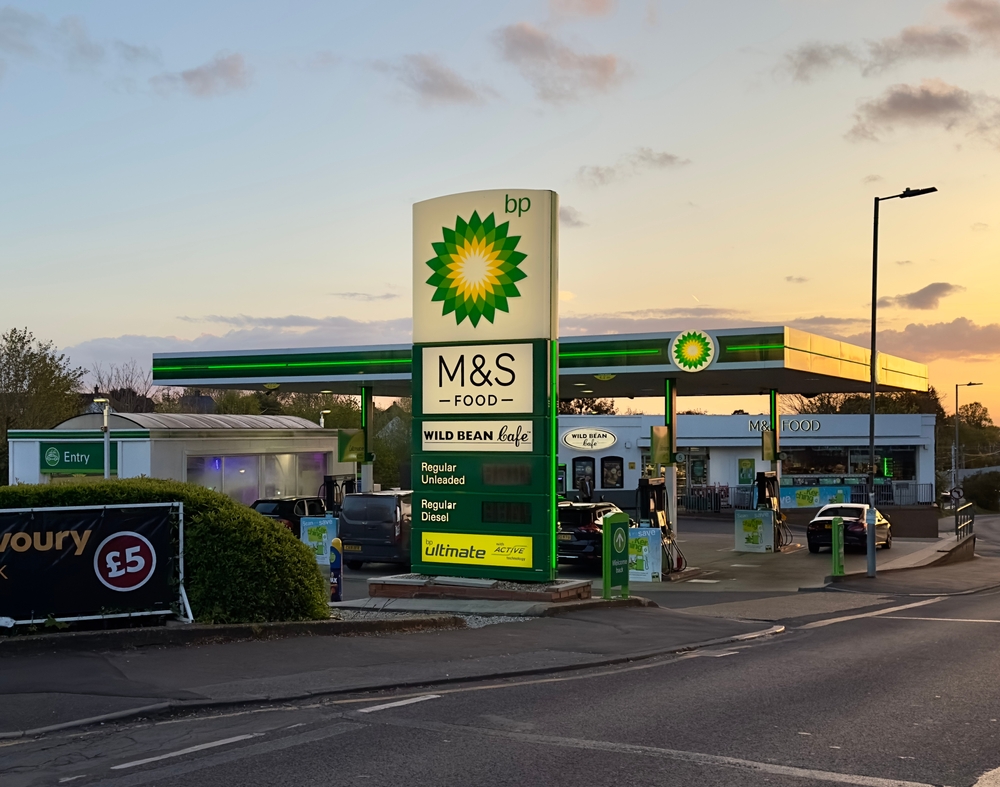
If you’re interested in the many benefits of fuel cards, you can choose from our wide range of products. We offer all of the biggest brands – Shell, Esso, BP, plus many more. As a result, we’re sure you’ll be able to find the one that’s right for you.


Providing Fleet Solutions to optimise operations, cut costs, and keep your business moving.






.jpg)


















































.jpg)