Simon Pavey
Website Marketing Manager
Keeping your engine cool is a critical factor in ensuring your vehicle runs efficiently and does not face the risk of overheating and causing potential damage to vital components that can be extremely costly to repair.
As a result, knowing when to add additional coolant to your engine is a must for all motorists. There are some tell-tale signs that your vehicle may be running low on coolant, so take the time to read our handy top tips below.
Coolant is a liquid substance used to keep the water in your engine at an optimal temperature. If the water gets too hot or reaches a freezing point, it could cause permanent damage to a car engine, so a coolant is designed to prevent this.
A cooling system circulates the coolant liquid through your car’s engine. It absorbs heat from the engine while constantly monitoring its temperature to keep it at safe levels.
Read our ultimate fleet guide to learn more about your fleet vehicles.
You may also hear antifreeze mentioned in discussions of car coolants. Virtually all coolants commercially available today comprise antifreeze mixed with water at around a 50:50 ratio, which yields a coolant liquid capable of protecting your vehicle from excessive temperatures.
So, how do you know whether you need to top up your coolant levels?
Most new cars have automatic systems to detect excessive heat caused by a lack of engine cooling. Still, drivers must monitor their engines closely for older models and ensure regular fleet maintenance to top up any engine fluids.
View our Fleet Maintenance Checklist for further information.
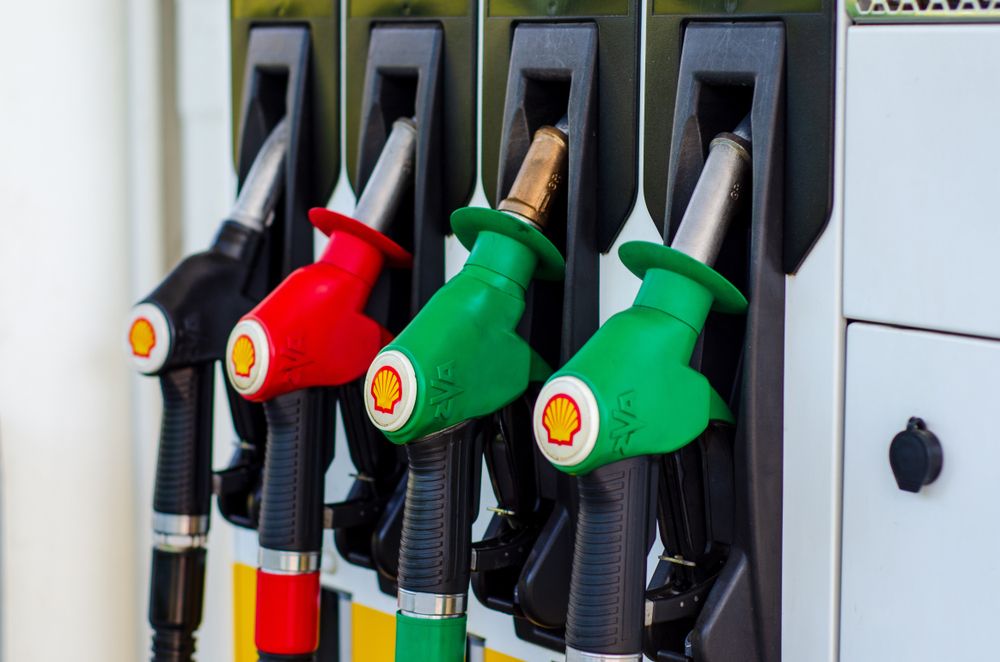
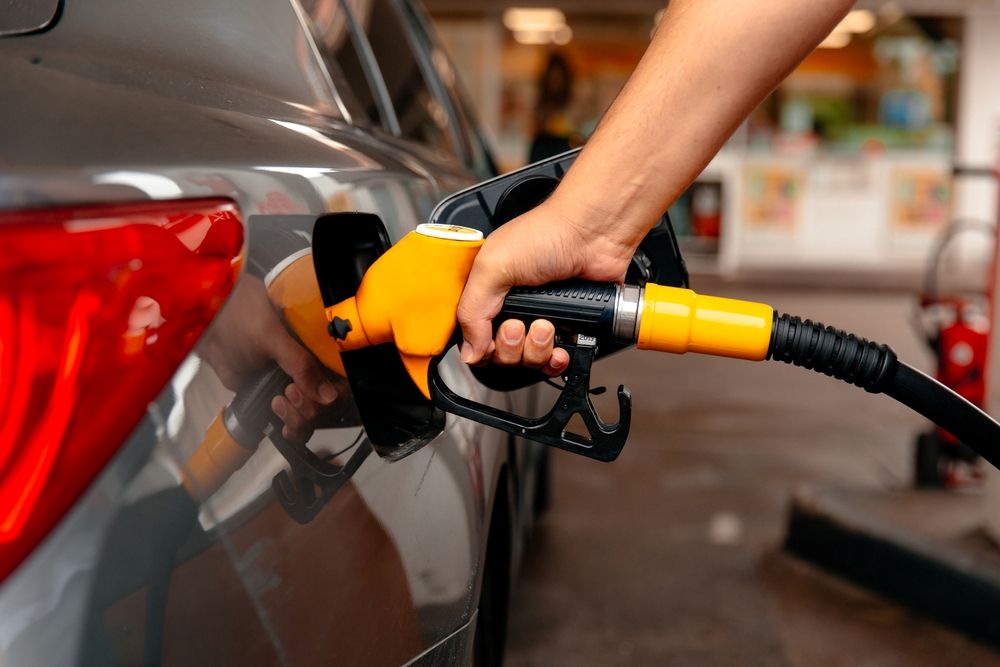
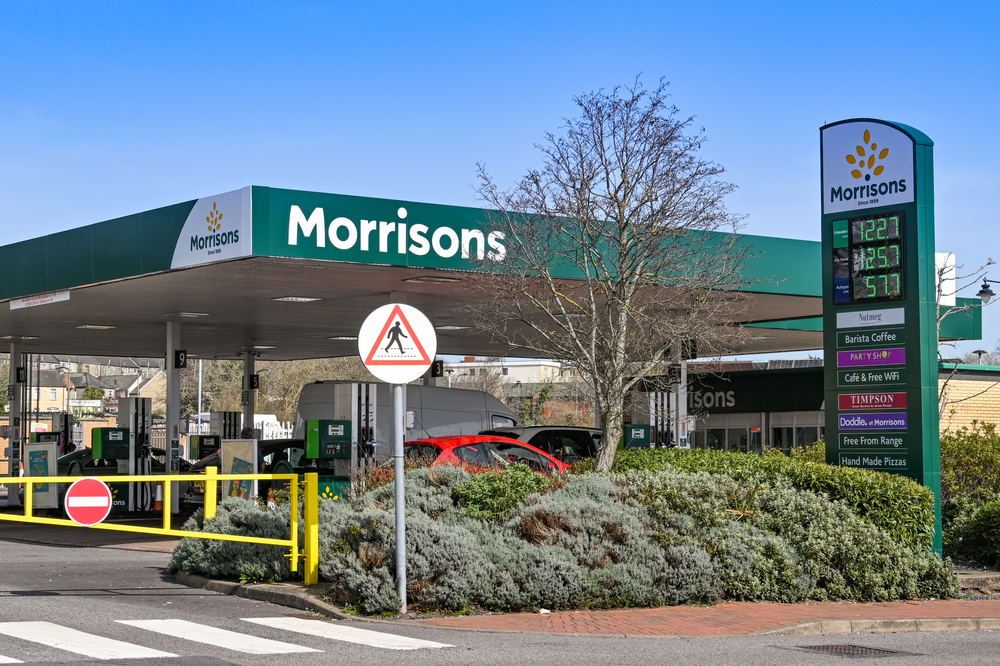
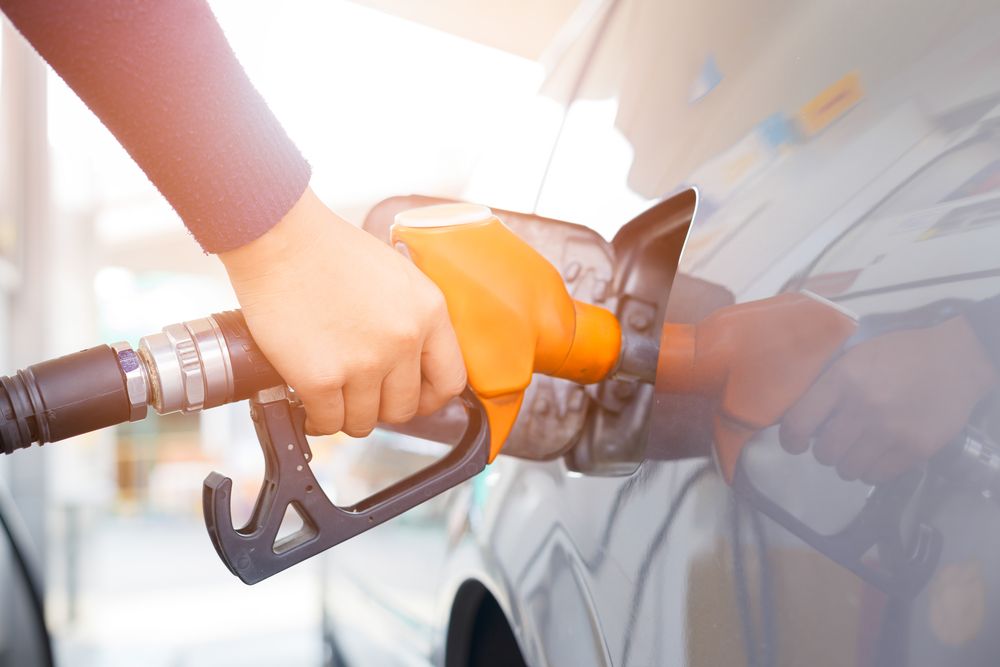
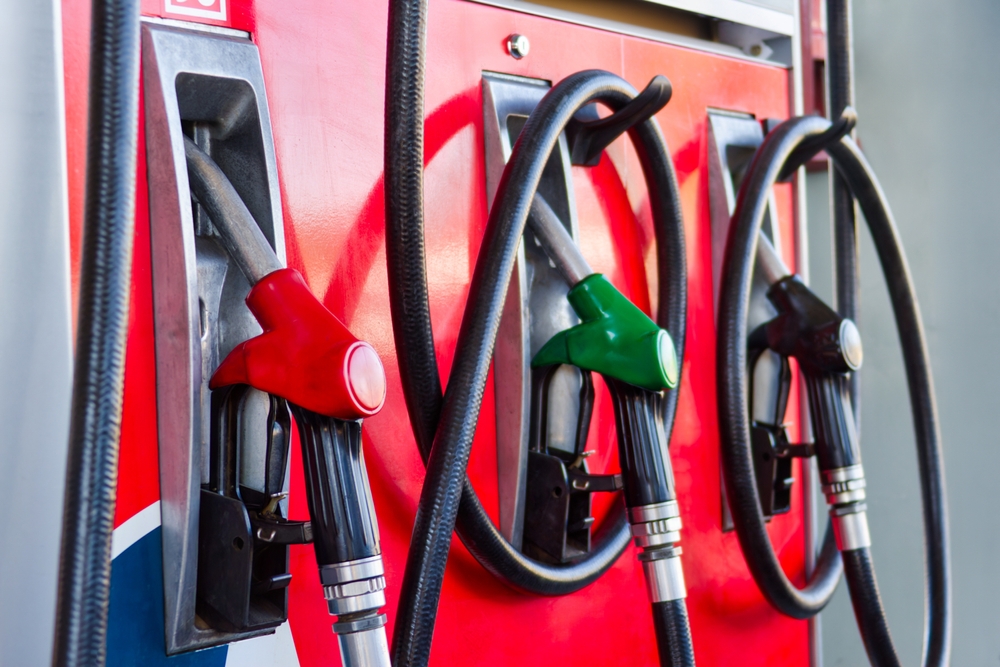
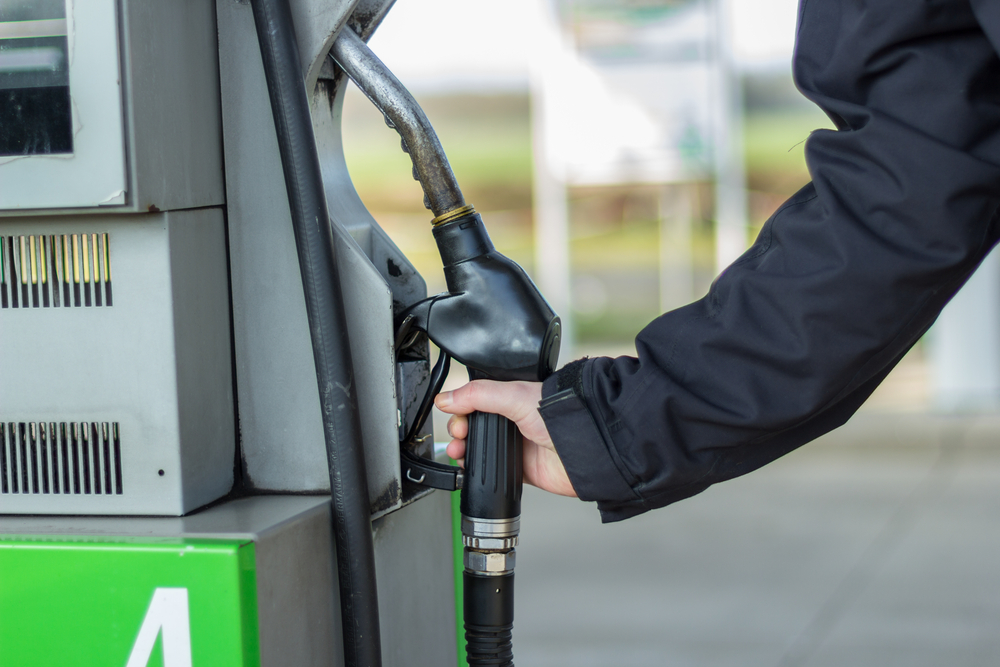
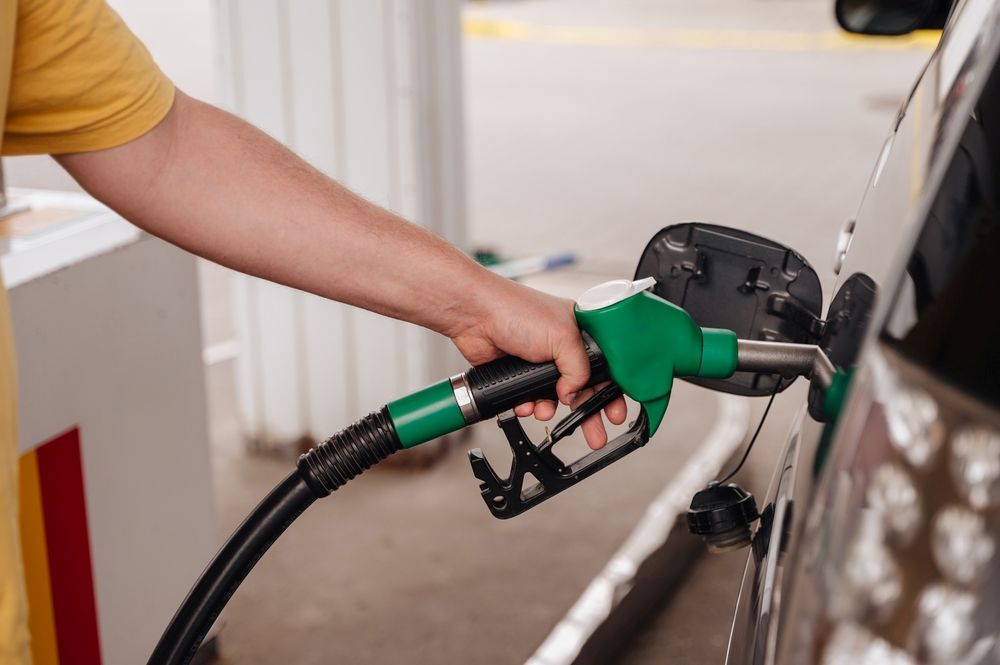
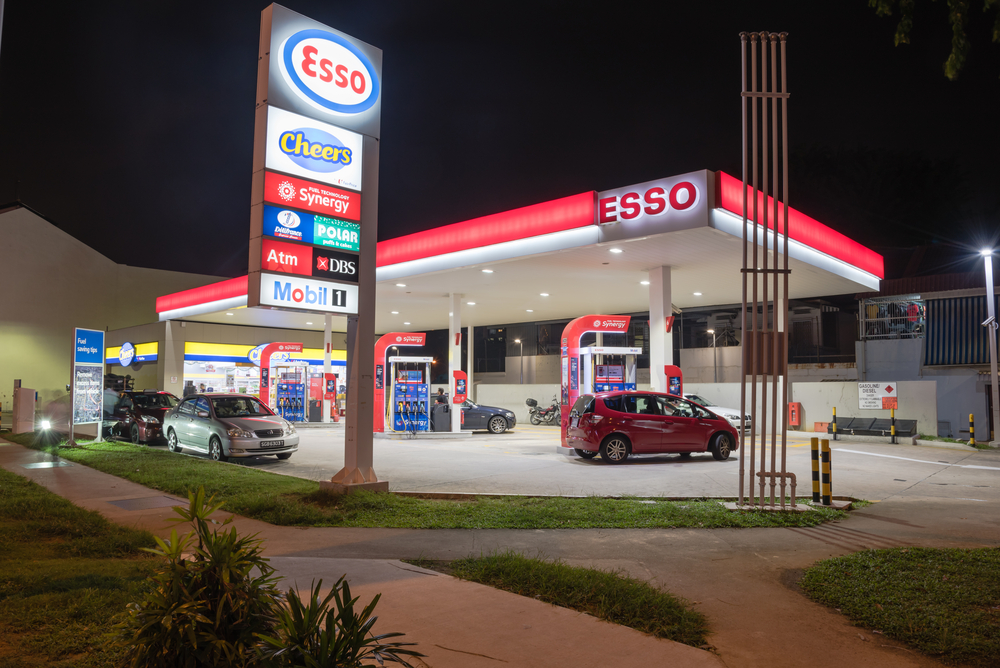
Coolant is available at local petrol stations, garages, and supermarkets. Use our pump locator to find your nearest fuel station.
A dashboard warning light will warn the driver that water/coolant levels are getting low. A rise in the temperature gauge is also a first sign that there might be a problem. Billowing steam, a hot bonnet, and a lack of control over the interior heating are also signs of temperature issues with the engine.
Most new vehicles have an automatic engine cut-off designed to prevent damage to key engine parts when temperatures spike. However, if your car is not fitted with this system, the driver is responsible for effectively topping up coolant levels.
When you fail to recognise the warning signs that your car has inadequate cooling, you risk damaging some of the most essential parts of your vehicle’s engine.
Poor cooling can result in severe damage to the water pump, head gasket, cylinder and piston timing, cylinder head, warped or bent connector rods, or even crank failure due to the high temperatures created by a car engine running.
Failure to properly maintain your vehicle can even result in the car becoming a write-off, so vigilance is key when topping up coolant.
Choosing the correct coolant for your car ensures optimal engine performance and prevents overheating. Coolant, or antifreeze, helps maintain a safe operating temperature and prevents damage caused by extreme heat or cold.
The best place to start is your vehicle’s owner’s manual. It will specify the type of coolant recommended for your car, including the mixture ratio (usually a 50/50 blend of coolant and water). Following these recommendations ensures compatibility with your car's engine and cooling system.
While the colour of the coolant doesn't affect its performance, it helps identify the type of coolant in your system. Ensure you use the same kind, or consult your manual if unsure. Mixing different types can reduce the effectiveness of your vehicle’s cooling system.
Always use coolant compatible with your vehicle's materials, including gaskets and seals. Using the wrong type can cause corrosion or clogging in your engine.
The lifespan of a car's coolant typically ranges from 2 to 5 years, depending on the type and the manufacturer's recommendations.
Inorganic Acid Technology (IAT) coolants generally need to be replaced every 2-3 years, while Organic Acid Technology (OAT) coolants can last up to 5 years or 150,000 miles. Hybrid Organic Acid Technology (HOAT) coolants also have a long lifespan, often requiring replacement every 5 years.
However, it’s essential to regularly check coolant levels and conditions, as factors like extreme driving conditions or system leaks may shorten its effectiveness. Always follow your vehicle’s owner’s manual for specific maintenance intervals.
The amount of coolant your car requires can vary depending on its make and model, but most cars typically need between 1 and 2 gallons (3.8 to 7.6 litres).
To find the exact amount, check your vehicle's owner’s manual, which will provide the specific capacity for your car's cooling system.
Remember that the amount may also depend on whether you're simply topping off the coolant or performing a full system flush and refill.
Draining the coolant from your car is straightforward but requires some caution. Here’s a general guide:
Remember to handle coolant carefully and dispose of it according to local regulations. Consult a professional mechanic if you're unsure or uncomfortable with the process.
The process of topping up your engine’s coolant is straightforward, and the steps are as follows:
Discover how service plans can help save fleets money.
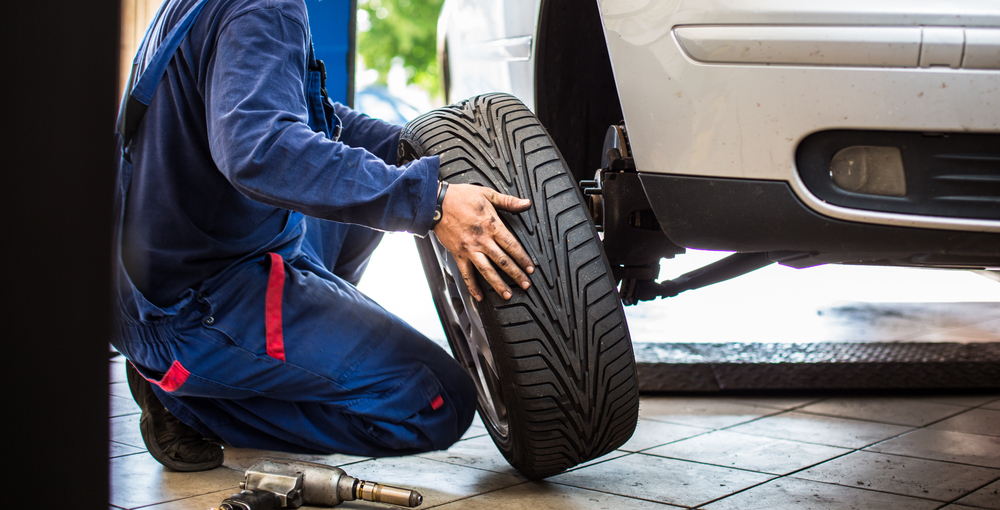
All drivers must conduct regular maintenance checks on their vehicles to keep everything running smoothly, which could help avoid costly repairs in the future.
Given the sheer number of miles these vehicles cover, these issues must be resolved quickly for drivers using company cars and operators of commercial fleets.
Motia offers a Vehicle Maintenance solution that provides subscribers access to a network of garages across the UK, making fleet maintenance easy. The service grants access to pre-negotiated rates at thousands of UK garages, enabling businesses to make considerable savings on vehicle maintenance—with discounts of up to 25 per cent on all parts and labour.


Providing Fleet Solutions to optimise operations, cut costs, and keep your business moving.










.jpg)


















































.jpg)