

Simon Pavey
Website Marketing Manager
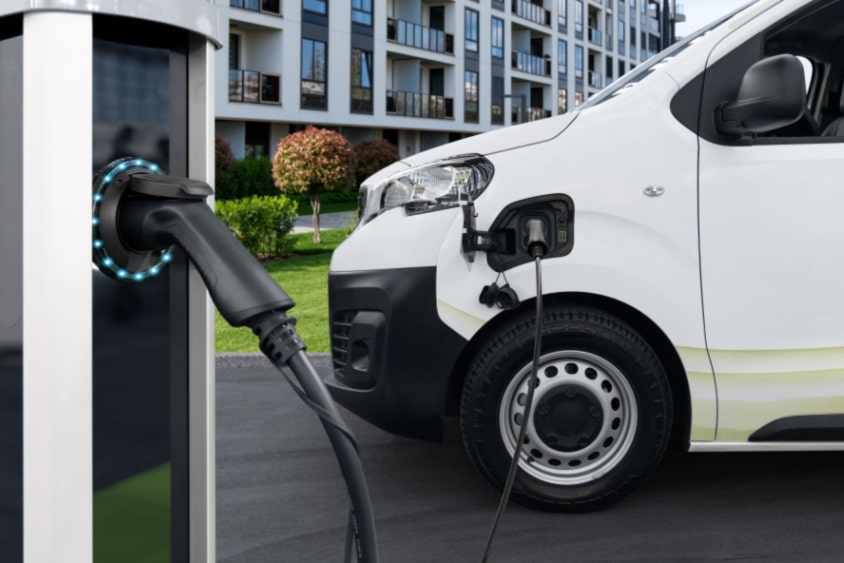
Electric vehicles aren’t just great for the environment, but they also help drivers and businesses save money by providing income tax incentives and other benefits.
This blog will discuss all the different types of benefits provided to electric car users including:
Electric vehicle road tax (or, if you want to use its proper name, Vehicle Excise Duty) is paid by the individual and depends on the type of electric car, and when it was registered.
As of April 2025, there is no exemption from Vehicle Excise Duty (VED) for EV drivers. The latest vehicle tax rates for electric, zero and low emission vehicles are always updated and can be found on the Gov.UK website.
The latest standard rate figure for electric car road tax (VED) is £195, which is what most EV drivers will have to pay.
The exceptions to this are:
A Benefit in Kind refers to company benefits employees receive in addition to their salary, and these are often taxable. Car-related benefit in kind tax is linked to how much carbon dioxide the car produces, so if you have a petrol car with a CO2 rating of 145g /km, your benefit in kind will be a lot higher compared to an electric car, as you’ll be producing more CO2 emissions. BiK tax is also calculated on how much the car is worth, so if you have a more expensive company car, you will pay more tax on it.
Though Benefit in Kind for electric cars is increasing over the next five years, with an increase of 1% year by year until 2027, when it will reach 5%, it will then increase by 2% year on year to 9% in 2029, BiK tax for EVs is still much, much lower than that of any other vehicle, with non-electric vehicle BiK tax expexted to increase all the way to 39% by 2029.
To work out your BiK tax the calculation is P11D Value x BiK Rate x Income Tax Rate and then divide this number by 12.
When offering a company car benefit, employers have to pay a National Insurance Contribution of 15% on the total value of benefits provided, which for a normal vehicle includes the car and the fuel. However, if the vehicle offered is an electric car, the contribution will be massively reduced – helping save costs.
Congestion charges vary between cities, with London having a daily £15 per vehicle, which is set to increase to £18 in early 2026.
Although electric vehicles used to be fully exempt from the congestion charge, starting in early 2026 this will no longer be the case.
Electric cars will, however, benefit from a discount on the full price of congestion charges.
The government’s 100% First Year Allowance for low-emission, electric cars and their charging points will end in April 2026 for income tax purposes and 31st March 2026 for corporation tax purposes. This means businesses will no longer be able to claim up to 100% deduction on their vehicles’ first year’s costs.
From April 2026, businesses purchasing electric vehicles will generally claim tax relief through standard Writing Down Allowances (WDA).
New and used electric cars and vans will be eligible for the main rate of WDA, which is currently 18% per
year on a reducing balance basis.
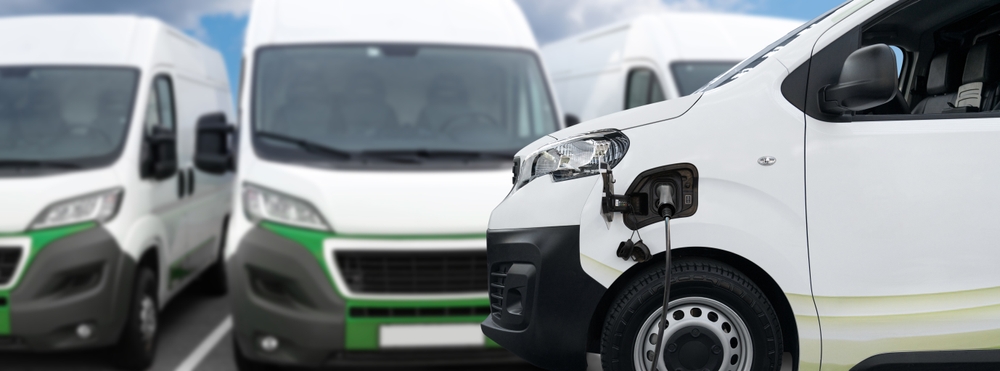
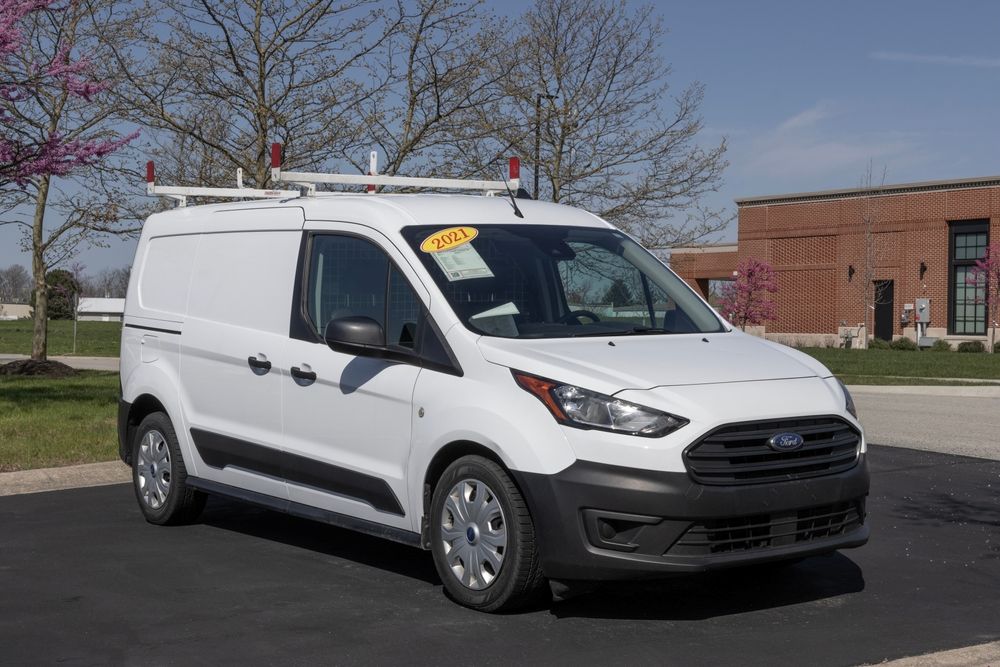
As of 2021, electric vans have no tax implications until at least 2026, even when used for personal reasons outside of business hours.
From July 2025, the UK's new Electric Car Grant offers up to £3,750 off qualifying new EVs (priced at £37,000 or below) to help tackle high upfront costs.
£650 million in funding will run until 2029, with two support tiers based on the following criteria.
To be eligible for a grant, the vehicle must:
Browse the list of eligible electric vehicles here.
If the employee uses their own electric car for business travel, the employer can reimburse 45p per mile for the first 10,000 miles driven in the year, while any additional travel is paid at 25p per mile.
The employee will also be entitled for an Electric Vehicle Homecharge Scheme grant that covers 75% of the cost of a charge point and installation per household.
Now that you’ve explored the electric car tax benefits, you may want to consider even more ways to save money on fleet costs.
At Motia, we have a range of cost-saving solutions from Fuel Cards to Mileage Expenses, all designed to save your business money.
Discover more information on controlling mobility costs, or read our article ‘Tips for managing fleet costs’ to learn even more ways to save money.


Providing Fleet Solutions to optimise operations, cut costs, and keep your business moving.










.jpg)
















































.jpg)