

Simon Pavey
Website Marketing Manager
Speed limiter laws were introduced in the EU and the UK in July 2022, requiring all new cars to have speed limiters fitted.
Manufacturers had until July 2024 to retrofit speed limiters to all existing models of cars on sale in their showrooms.
The UK Government reported that more than half (56%) of fatal collisions in 2023 had at least one speed-related factor assigned. Speed limiters ensure that speed limits are enforced and minimise the potential danger to life posed by speeding.
In this article, we explain why speed limiters are becoming more common on the roads and what the speed limiter laws and regulations mean for drivers.
A vehicle speed limiter encourages drivers to reduce their maximum speed. It utilises ‘Intelligent Speed Assistance’ (or ISA) to slow drivers down. This technology comes in two main strands:
The EU is the driving force behind introducing ISA legislation, which legally requires that all new cars manufactured from 2022 include some level of vehicle speed limiter technology built in. While the UK has long departed from the EU via Brexit, it was still ratified into UK law.
It is mandatory that all new cars sold in the UK manufactured after July 2022 have a speed limiter fitted.
If the speed limiter was not installed by July 2024, it needs to be retrofitted if the car was manufactured after July 2022.
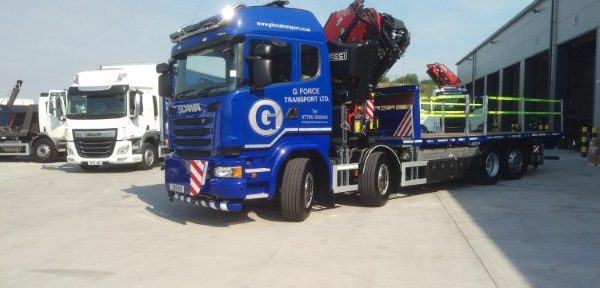
This law also applies to vehicles with more than 8 passenger seats, such as buses, minibuses, coaches, stretch limousines, and goods vehicles with a maximum laden weight of more than 3.5 tonnes.
Although the speed limiter law states that speed limiters must be fitted to new cars and vehicles, it does not necessarily require them to be activated. While you must always ensure that you remain within the speed limit and that you do not exceed the speed limit under any circumstances. Whether you choose to activate the speed limiter is up to you.
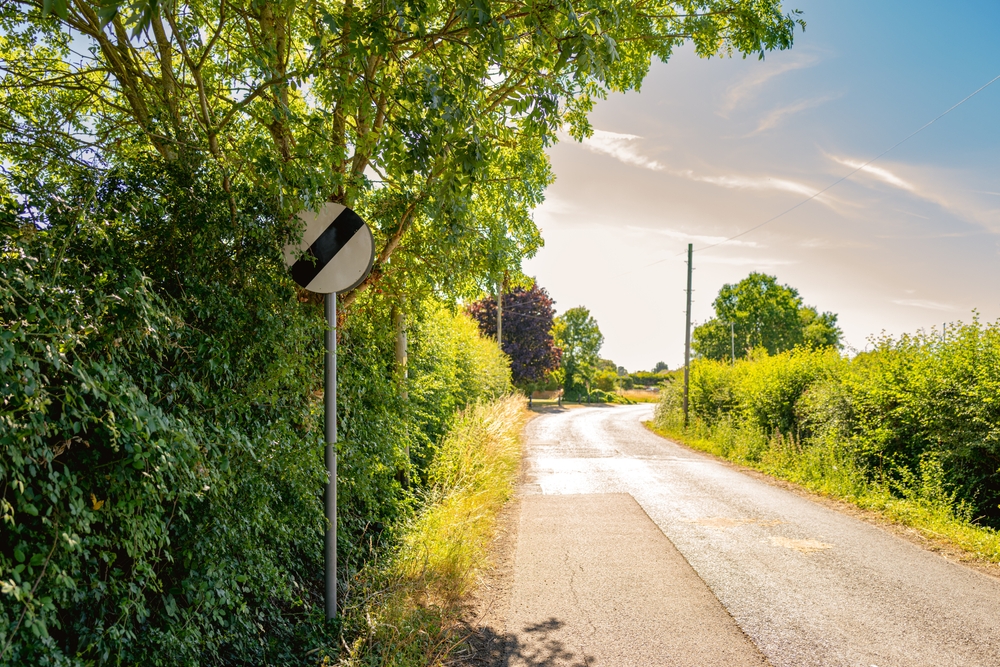
As of July 2024, car manufacturers and sellers in the UK are legally required to ensure that speed limiters are fitted to all new cars and vehicles, including those on the showroom floor.
Manufacturers and sellers must make sure that the speed limiters are installed in all new vehicles, although they are not required to activate them.
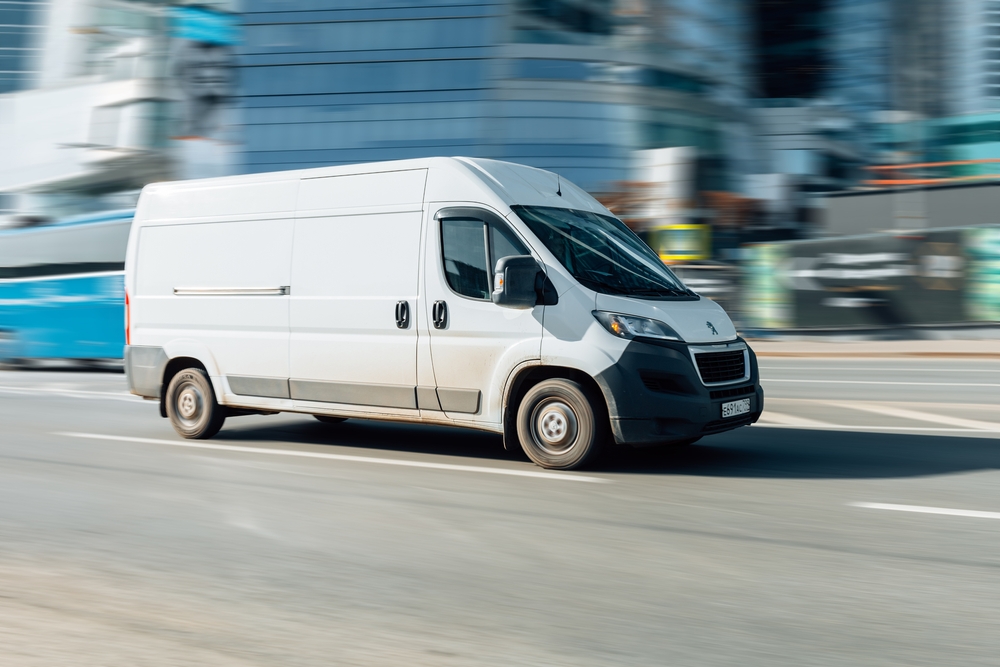
This applies to all new cars and vans across the UK and in Europe.
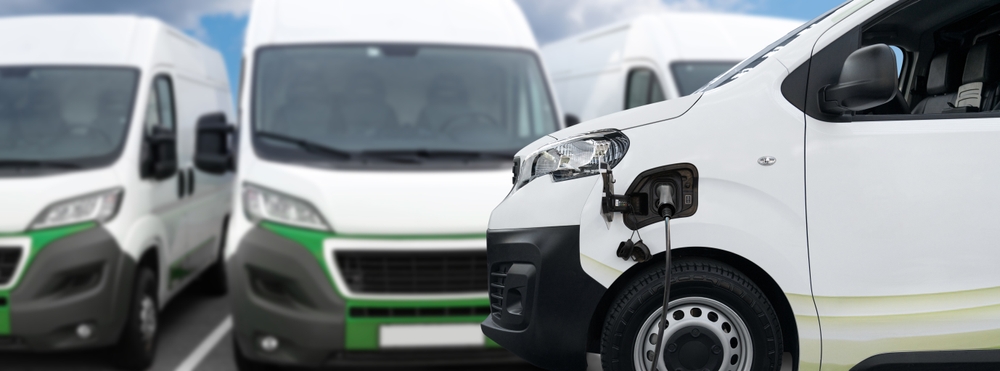
Speed limiters offer several advantages for commercial fleets. They improve fuel efficiency, reduce CO2 emissions, and help detect pedestrians, cyclists, and other vulnerable road users. This ultimately enhances safety for everyone on the road.
As a fleet manager, implementing speed limiters can lead to less downtime for your vehicles. This allows you to maximise vehicle usage and focus more on generating revenue.
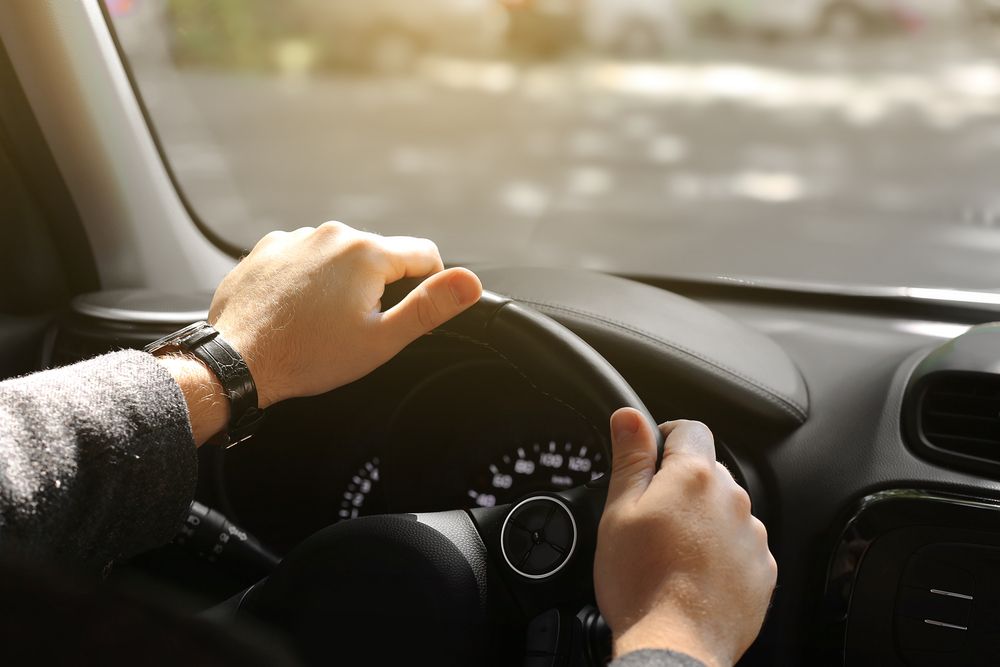
Speed limiters are not only helpful for fleet managers but also for drivers. By using Intelligent Speed Assistance (ISA) to adhere to legal speed limits, drivers can decrease the number of speeding tickets they receive, lower their risk of accidents, and minimise the likelihood of incidents on the road.
Discover more benefits of telematics for fleet management here.
At Motia, we know how important it is to track the performance of your fleet, both to improve driver safety and vehicle security. That’s why we have developed the Motia Telematics portal , our advanced telematics system which enables you to install a range of cameras and trackers on your vehicles before remotely feeding data through to your team; enabling you to get a fuller picture of your operation and spot cost-saving opportunities.
The automated reported system included in our telematics service can help you flag when your fleet vehicles are being used for fraudulent purposes, monitor dangerous speeding, and gain insights into how improved driver behaviour generates sales.
Every good fleet operation could benefit from an advanced telematics system, so why not get in touch with our experts to find out how we can support you.
Find out whether telematics is right for your fleet here.


Providing Fleet Solutions to optimise operations, cut costs, and keep your business moving.








.jpg)




































.jpg)