

Simon Pavey
Website Marketing Manager
Many businesses with fleets of vehicles will be feeling the bite of current fuel prices. Fleet managers will be looking for ways to make every drop of fuel take their vehicles a little further. One possible solution to this problem is hypermiling.
In this article, we explain exactly what hypermiling is, discuss driving techniques that can save fuel and explain what is most likely to waste fuel so that you can find a way to save on your fleet fuel costs.
You can also read our article ‘Tips for managing fleet costs’ for our expert advice on managing and optimising fleet costs.
Hypermiling is a term used to describe techniques that drivers can use to increase MPG. It is suggested that, by using these hypermiling driving techniques, you could boost your MPG by around 40%. In a time when drivers may dread their journey to a fuelling station, getting an additional 40% MPG from every tank of fuel could seriously keep costs down. It is however a controversial set of techniques, as concentrating too hard on keeping fuel consumption low can make drivers less aware of the road.
Before we detail some key hypermiling techniques, it's important to discuss what is most likely to waste fuel first.
Hypermiling is the term for ultra-fuel-efficient driving. Before using hypermiling techniques, the first thing to understand is what’s most likely to waste fuel. Having a good grasp on what habits make fuel consumption higher and what external conditions might negatively impact fuel consumption efficiency will help those looking to apply hypermiling techniques do so correctly and appropriately.
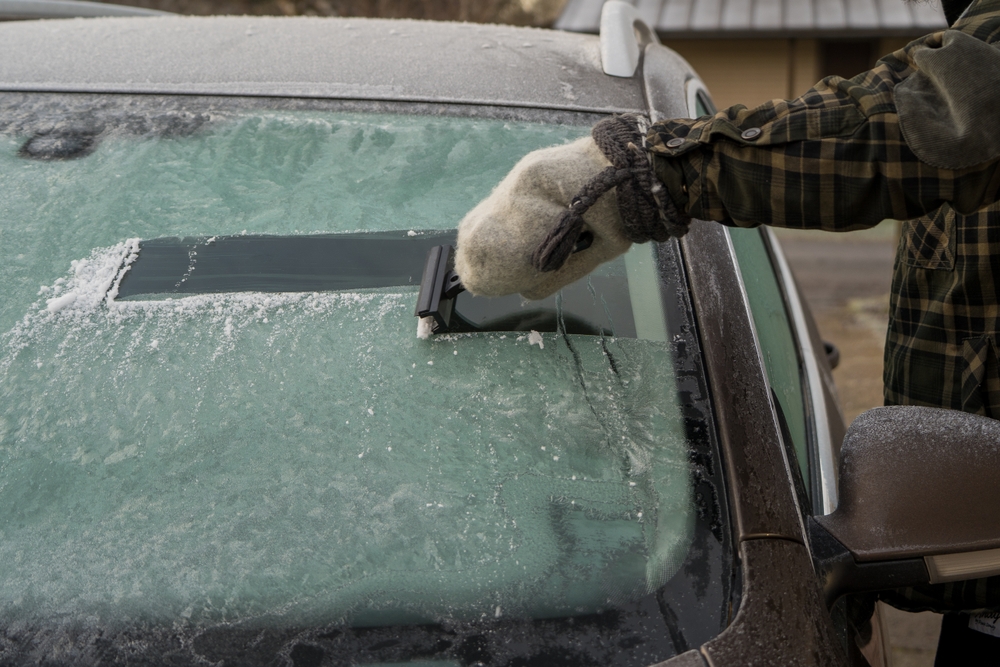
Cold weather causes higher fuel consumption. Firstly, through aerodynamics, cold air is denser than warm air, meaning your car will have to work that bit harder to travel through it than it would on a warmer day. A study by the US EPA suggests that a drop from 24 degrees Celsius to 7 degrees Celsius increases urban commute fuel consumption by between 12 and 28%.
Additionally, cold weather can adversely affect the performance of your vehicle’s components, from under the bonnet to the tyres . An engine in warmer conditions doesn’t have to work so hard to get warmed up and cold can affect tyre pressure which will impact both the safety and efficiency of your vehicle.
Aggressively accelerating or braking is one of the most common ways to waste fuel. Sudden stops and starts cause your engine to work harder and reduce fuel efficiency.
According to the AA, reducing your speed from 70mph to 60mph, when you’re driving on the motorway, can save you up to 10% in fuel.
Leave the engine running to let your passengers enjoy the radio? Make journeys during rush hour that could be delayed until the roads are quieter?
These are just a few examples of unnecessary idling, which burns fuel while you’re not even going anywhere. To avoid wasting fuel, turn off your engine if you’re stationary or plan your journeys ahead to avoid rush hour traffic.
Now that you know some of the most common causes of fuel waste. We will detail the hypermiling driving techniques that can save on fuel. Below are the key hypermiling techniques:
For most fleets, driving isn’t optional. However, for smaller, local businesses, it could be worth considering. Could the 5 minute drive be replaced by a 20 minute walk or a 10 minute cycle? Efficiency is obviously key for businesses, but could the money saved from not driving negate this small loss of productivity?
A general reduction of 20mph can have huge benefits for your MPG. Of course, this is quite extreme – you’d end up driving too slowly in some places. However, it’s worth remembering. Perhaps driving at 60mph instead of 70mph on a motorway would make a lot of difference and keep the fuel in your vehicle for longer.
When you need to speed up, be gentle with your accelerator – don’t put too much strain on your engine.
Stopping and starting frequently means more fuel is consumed. Therefore, hypermilers try to avoid stopping as much as possible. If you see a build-up of traffic ahead, begin slowing. Take your foot off the accelerator and apply a gentle brake if necessary. There’s a chance the traffic will have cleared by the time you reach it, meaning you won’t have to stop at all.
Drivers who follow these techniques might also plan their journeys to avoid roads where stopping is guaranteed. If you can avoid taking a route where you’ll have to stop at multiple junctions, and instead take a route that follows a steady flow of traffic, this is likely to be favourable for your fuel economy.
Driving smoothly and avoiding stopping where possible can decrease that unnecessary fluctuation in acceleration, helping you to increase your fuel efficiency.
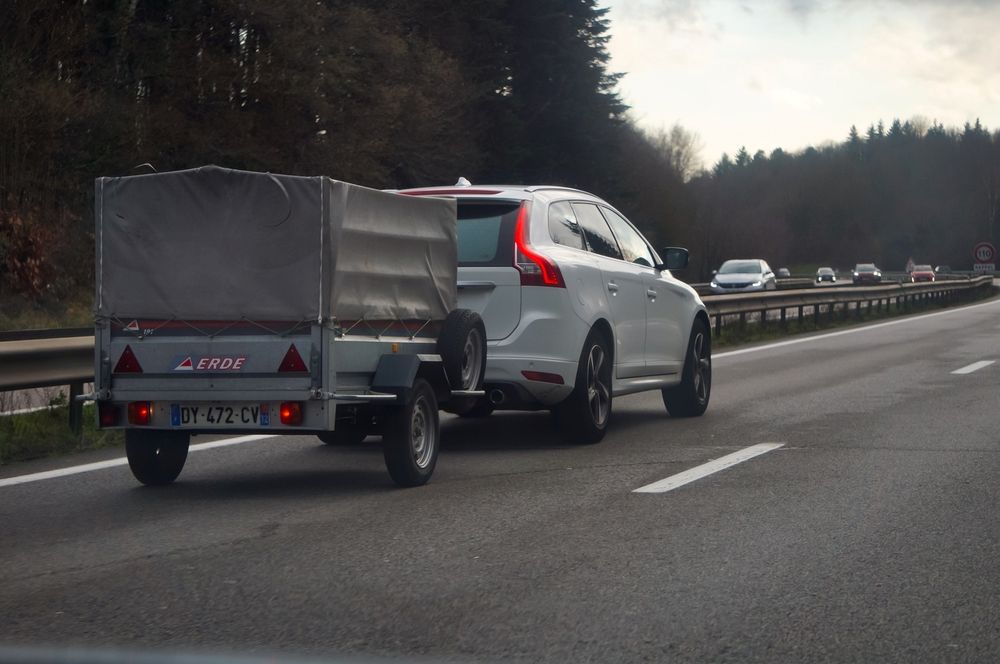
This technique certainly brings considerations about safety to the forefront of the discussion, which we’ll talk about in a moment. Keen hypermilers will try their best to drive behind other vehicles as often as possible. This is because, when a vehicle moves, it displaces the air it is travelling through. That means any vehicle behind will face less air resistance, meaning they don’t have to push their vehicles as hard.
This technique is referred to as “drafting”, and it’s even used by racing drivers to gain an advantage over the cars ahead of them.
This is a very controversial practice. It’s argued that when a driver focuses on drafting, they lose awareness of the rest of the road. If you are going to do this, make sure to maintain a safe distance between yourself and the vehicle ahead. Failure to keep a safe distance could actually see you getting fined.
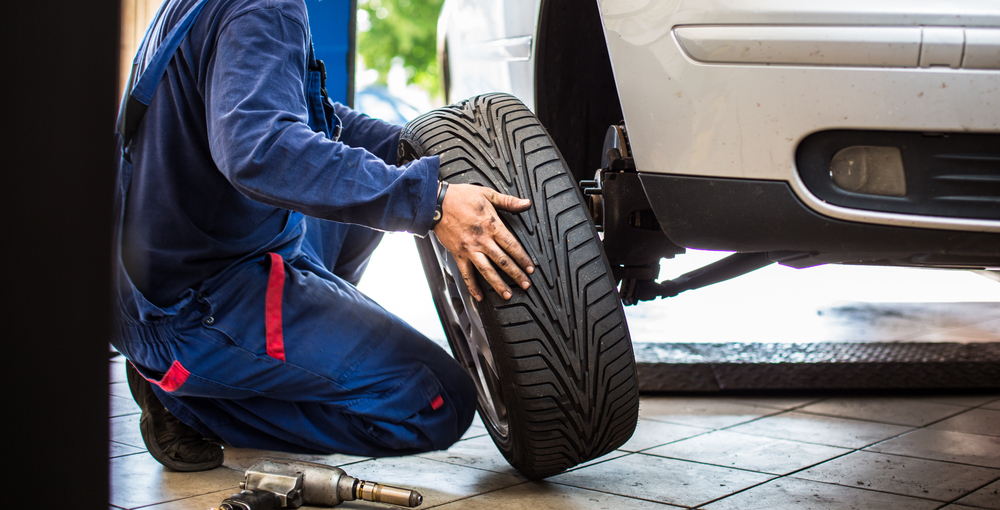
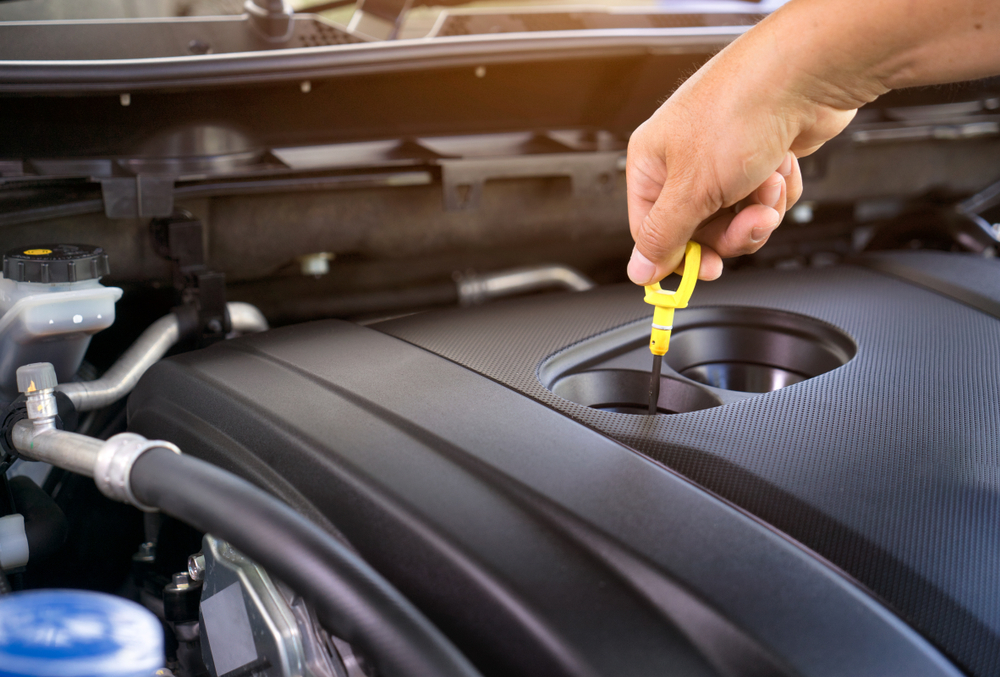
A badly maintained vehicle is a less efficient vehicle. Make sure your tyre pressure is adequate and your oil levels are topped up. A regular service is key to ensuring your vehicles are efficient. For HGVs, daily walkaround checks should be carried out to ensure that your vehicle is maintained well, so you can focus on the driving.
For cost effective vehicle servicing with discounts at selected garages, take a look at our wide range of vehicle maintenance services for business vehicles.We have pre-negotiated rates at thousands of main dealer and independent garages nationwide. And it’s pay-as-you-go!
This is another one that may not be possible for certain drivers if deliveries are being made. However, it’s a well known fact that the less weight in your vehicle, the less fuel is consumed. Are you carrying unnecessary items in the boot of your car for example? Removing them could improve your MPG.
It can definitely be argued that some of these techniques aren’t safe. Travelling at slow speeds can in fact, be more dangerous on some roads. You’ll also not win the respect of many other drivers on the road who might be stuck behind you as you maintain a moderate speed.
Similarly, the controversy surrounding ‘drafting’ as a technique to save fuel will probably not put you in other driver’s good books and does open you up to increased risk of accident that could hurt you or others.
Remember that following the laws of the road is more important than saving fuel, as failure to do so could cost lives. Only use hypermiling techniques when it is safe to do so – do not put yourself and other road users in danger.
As mentioned, hypermiling might not be the safest or most popular way to improve your MPG, but there are other ways to save on fuel costs. Such as:
Find out how telematics can help to minimise fleet emissions in our article ‘How telematics can help reduce car emissions’.
One of the best ways for fleets to save money is by getting a fuel card
With a fuel card, you could see discounts of up to 10p per litre. You’ll also save a great deal of time with HMRC approved invoices – no more holding on to receipts.
If you want to keep a tab on your fleet’s mileage then our Mileage Expense Count services tool is the perfect addition to your fleet management tools.
Get in touch today to find out more about fuel cards, telematics and vehicle tracking services and find a smarterway to manage your fuel and fleet costs.


Providing Fleet Solutions to optimise operations, cut costs, and keep your business moving.








.jpg)

































.jpg)