

Simon Pavey
Website Marketing Manager
Prior to April 2022, many sectors, such as construction, manufacturing, and haulage, could use red diesel. However, in a bid to reduce harmful emissions and increase fairness by taxing all diesel at the standard rate, restrictions were placed on Red Diesel from April 2022. This reform restricted its use to specific sectors, such as agriculture, horticulture, and forestry.
In this article, we explain who can still use red diesel and the laws surrounding its usage so that you can better understand whether it is still available for your vehicle fleet or if it is illegal.
At Motia, we are strong supporters of creating cleaner energy for everyone. Find out how we can help you run a greener fleet with our tools to help you cut emissions here.
Red diesel is the same as regular diesel except for two major differences.
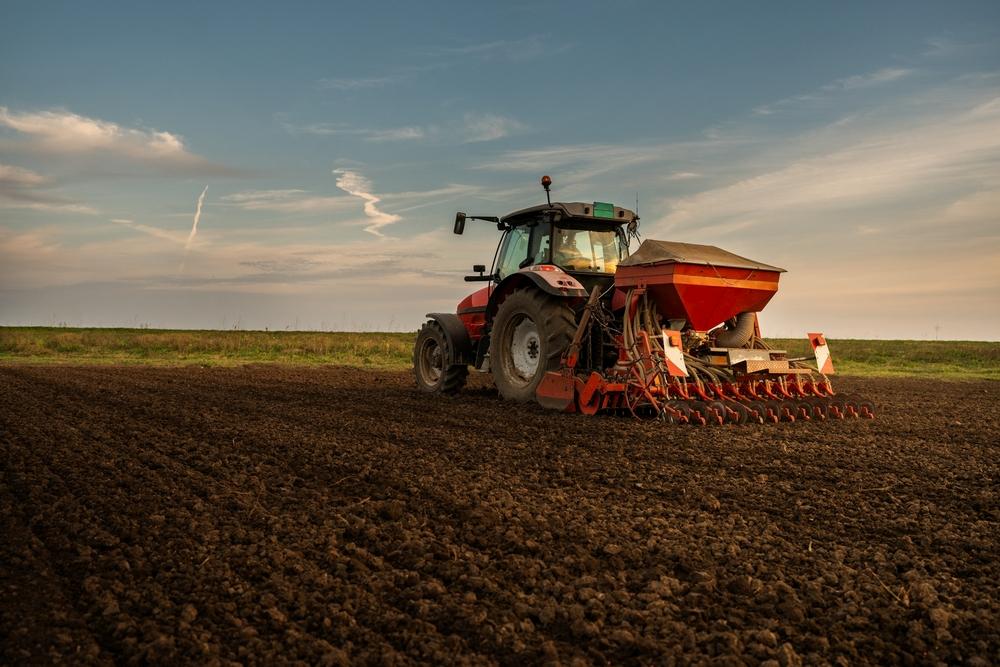
Firstly, it is taxed at a much lower rate than regular fuel. It tends to be around 50p cheaper per litre compared to regular diesel. However, it is not supposed to be used to fuel regular road vehicles. Instead, the fuel is mainly used for three things:
In fact, it is illegal to use red diesel to fuel your road vehicles – doing so is considered to be tax evasion. If you are caught driving on the road with this fuel in your tank, there can be serious consequences for the driver.
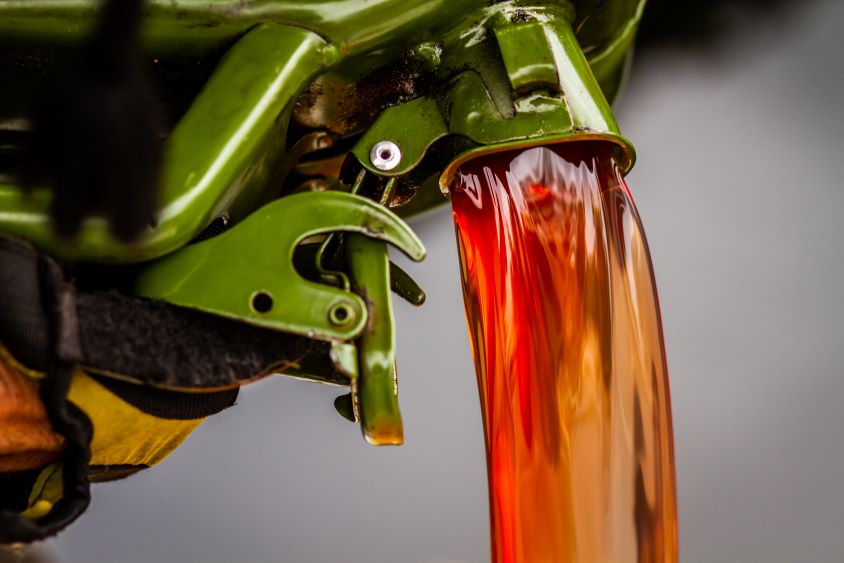
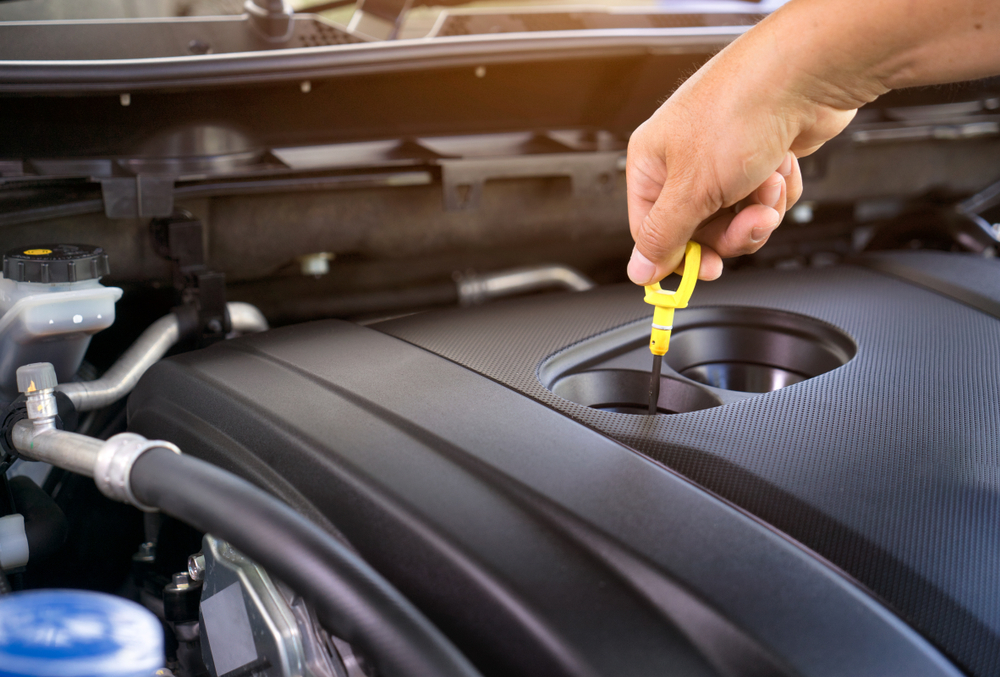
That brings us to the second major difference from regular diesel – the liquid is dyed red, hence the name. If police suspect that you are using the fuel, they can use a dipstick to check your tank. If it comes out red, they’ll know you have been using the rebated fuel.
When the changes to rebated diesel and biofuels were first announced, it was stated that the only exception to the ban was in industries such as agriculture and rail travel.
However, further exemptions were added to the list, and the following uses for red diesel are permitted:
If your business was using red diesel before April 2022 for a purpose not listed above, then you immediately had to discontinue using it after the changes took affect.
There was also no grace period to finish your old stock. If you have any red diesel left over after April 2022, you were not permitted to continue using it unless you are in a sector that was unaffected by the ban.
Instead, any of your vehicles that require diesel fuel has to be filled up with the standard white diesel, or an alternative such as Shell GTL or HVO.
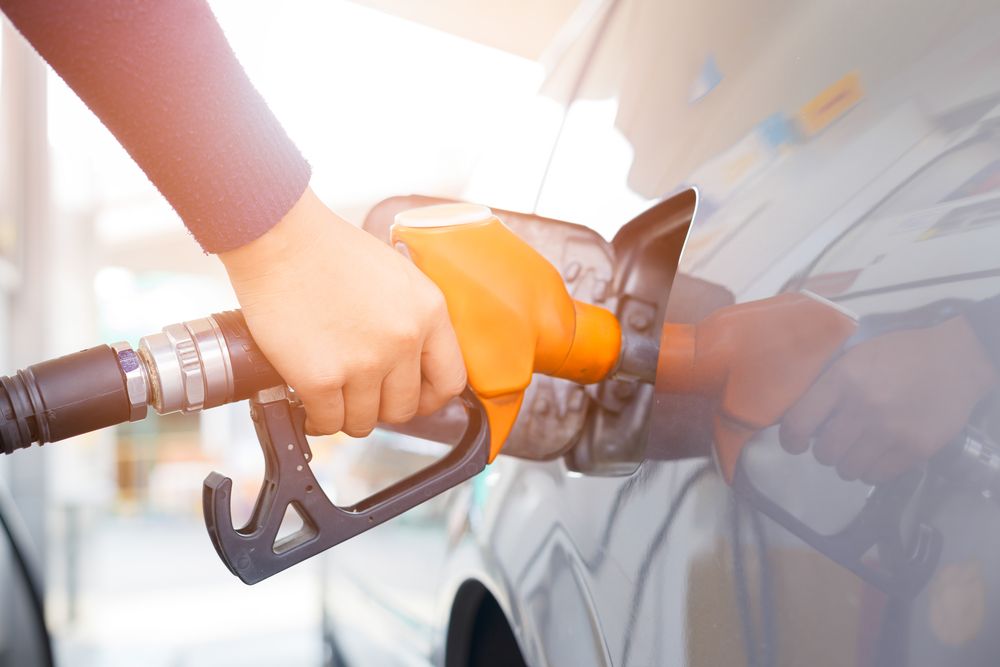
Fuel cards are a great way to continue enjoying discounted fuel while remaining legal and compliant.
Several cards in our extensive range of fuel cards offer diesel savings. We’ve even partnered with every major fuel brand to ensure you get the best deal.
Don’t let the new restrictions on red diesel catch your business out. Find out how you could save up to 10p per litre on fuel and get your free quote.
According to the government website, the objective of the red diesel restrictions is to steer businesses away from fossil fuels in order to reduce emissions.
Red diesel was responsible for 14 million tonnes of CO2 emissions every year. It is hoped that, by limiting its use, the UK will have a higher chance of reaching its 2050 target of being net zero.
The increase in taxes paid by businesses switching to red diesel allows the government to reinvest this money into green initiatives, such as charging infrastructure grants and lower EV taxes.
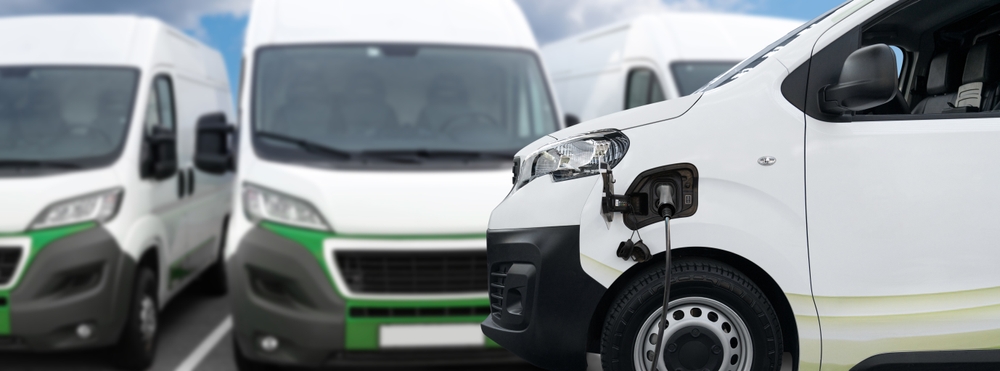
Additionally, the government hopes that the restrictions will prompt businesses to make the transition to electric vehicles.
Thinking of switching to an EV fleet? Find out more information in our article ‘What are the implications of accelerating the shift to zero emissions?’.
For those businesses no longer permitted to use red diesel, it is important to consider how costs will be kept low.
With the right fuel card, your fleet could keep fuel costs low despite the upcoming changes. Making the switch to regular diesel doesn’t mean your fleet’s running costs have to break the bank.
Get in touch with the team at Motia today, and we’ll see how much money we can save you on fuel expenses.


Providing Fleet Solutions to optimise operations, cut costs, and keep your business moving.









.jpg)












































.jpg)